
Learning Express (LeX) 2026 Brings BINUS University and Singapore Polytechnic Students Closer Through Co-Create Solutions for Local Communities
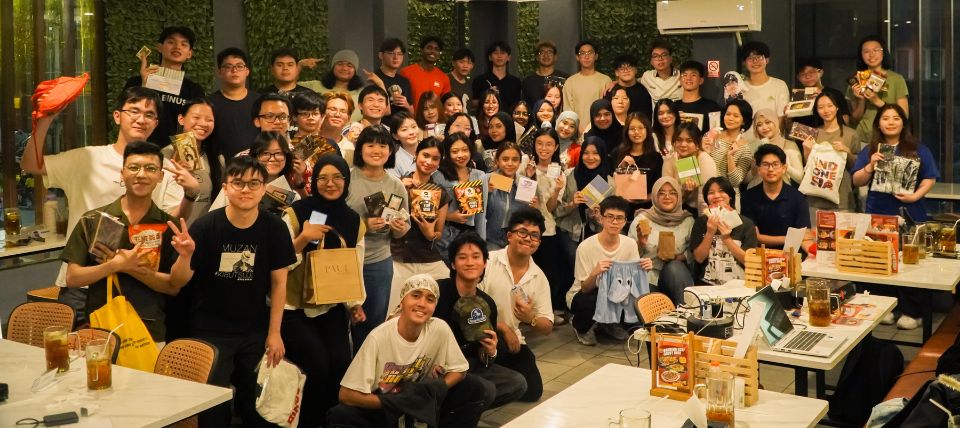
Jakarta, 9 October 2026 – Building on a longstanding partnership, BINUS University has once again been entrusted by Singapore Polytechnic (SP) to host Learning Express (LeX) 2026 at BINUS @Kemanggisan. Held from 29 September to 8 October 2026, the program brings together 30 BINUS students and 30 SP students in an immersive cross-cultural learning experience by applying a design thinking approach to develop innovative and sustainable solutions for local communities in Jakarta.
(Photo Credit: Andi D. Ahnafandra)
Initiated by Singapore Polytechnic as part of its overseas social innovation project, this program run for the first time at BINUS in 2019. Through this collaboration, students from both institutions for many years have worked together in interdisciplinary teams to observe problems faced by local communities from different social, economic, politic, and cultural perspectives. They are then tasked with developing innovative solutions using a design thinking approach before showcasing their final work during the Gallery Walk session held on the final day at our Anggrek Campus.
(Photo Credit: Andi D. Ahnafandra)
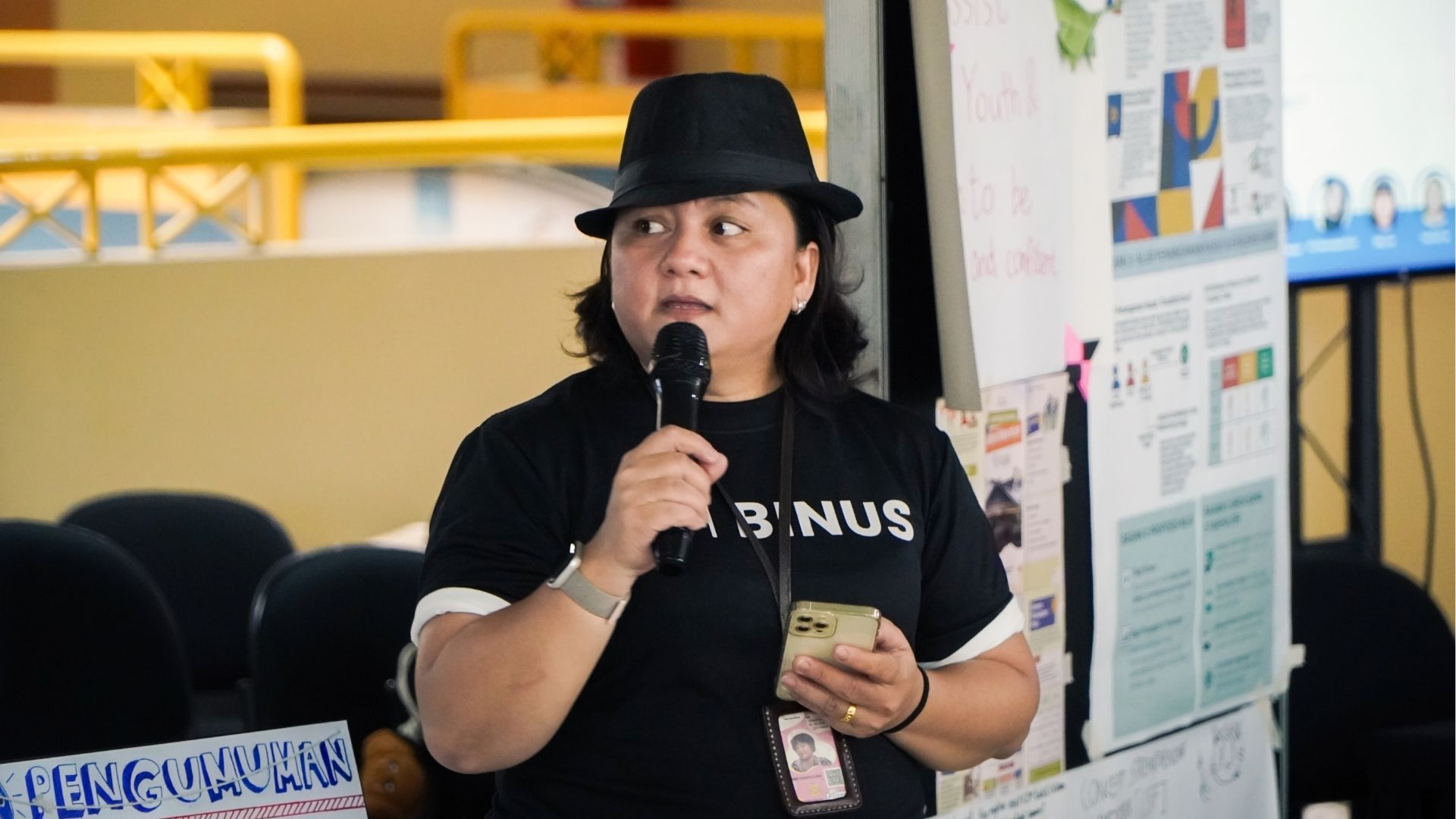
Through the program, students not only learn how to apply design thinking but also gain exposure to different perspectives and experiences. As Debby S. Lubis, Associate Manager of the Internationalization team at BINUS University who served as the Project Leader for LeX 2026, remarked that:
“Learning express is not simply about bringing students from different countries together. It’s about bringing them together to share real stories and challenges, then giving them an opportunity to learn from one another and create something together. Going forward, we hope to make LeX even stronger platform for global learning, community engagement, and cross-border collaboration.”
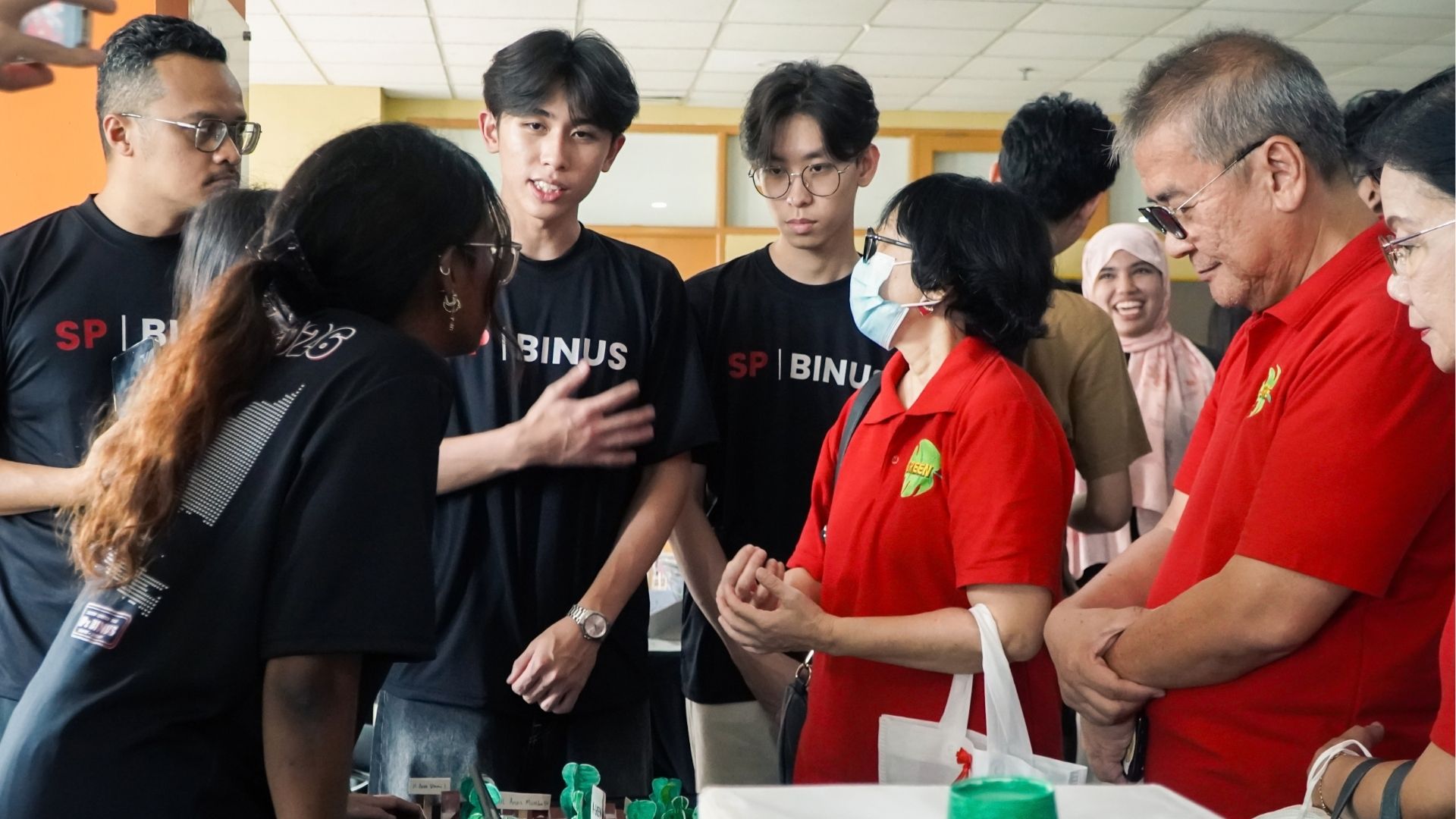
(Photo Credit: Andi D. Ahnafandra)
This learning journey began with two sharing sessions that introduced participants to the communities they would be working with: Kampus Diakonia Modern (KDM), a foundation dedicated to supporting the education of underprivilege children, and A-Green, a community-based environmental initiative under the Program Kampung Iklim (ProKlim) in Taman Aries, West Jakarta. Students also attended a session by Farrel Alexander, Founder and CEO of VegForU and a BINUS alumnus, who shared how he built a hydroponic vegetable startup from his final project at BINUS and grew it while continuing to work alongside local communities.
These sessions laid the groundwork for students’ visit to KDM and A-Green communities, where they engaged directly with community members and stakeholders. By listening to their stories, observing challenges firsthand, and learning from different perspectives, students gained deeper insight into the people and contexts behind the issues they would later address through the design thinking process.
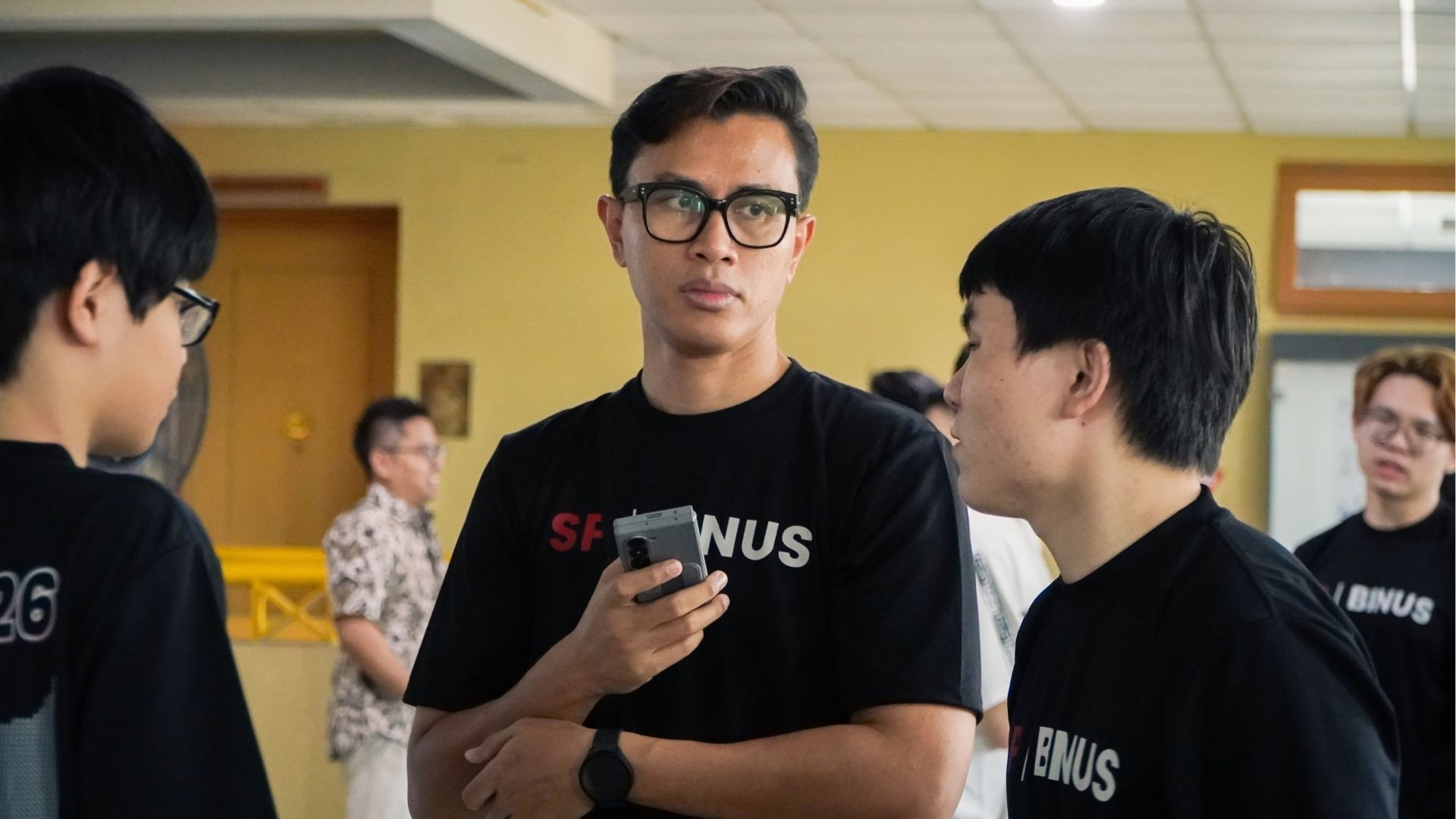
(Photo Credit: Andi D. Ahnafandra)
“The purpose of this program is to help Singapore Polytechnic and BINUS students build empathy and gain a better understanding of the social issues faced by local communities in Jakarta. We use design thinking because it provides a structured way to develop solutions. When people encounter a problem, they may not know where to start, but design thinking guides them through understanding users’ needs, generating ideas, and developing prototypes. Since Learning Express takes place over just two weeks, design thinking also helps students move efficiently from understanding a challenge to proposing and testing solutions. That is why we continue to use this approach,” explained Muzammil Aziz, Lecturer and Lead Internship at Singapore Polytechnic.
This philosophy is embedded in every stage of Learning Express. Following the design thinking framework introduced by Stanford d.school in 2010 as illustrated in Figure 1 below, engaging directly with communities, listening to stakeholders, and observing challenges firsthand are part of the empathize phase, where students build a deeper understanding of the needs, aspirations, and realities of the communities they serve. The insights gathered during this stage become the basis for the define phase, where participants identify and articulate the key issues that require attention. 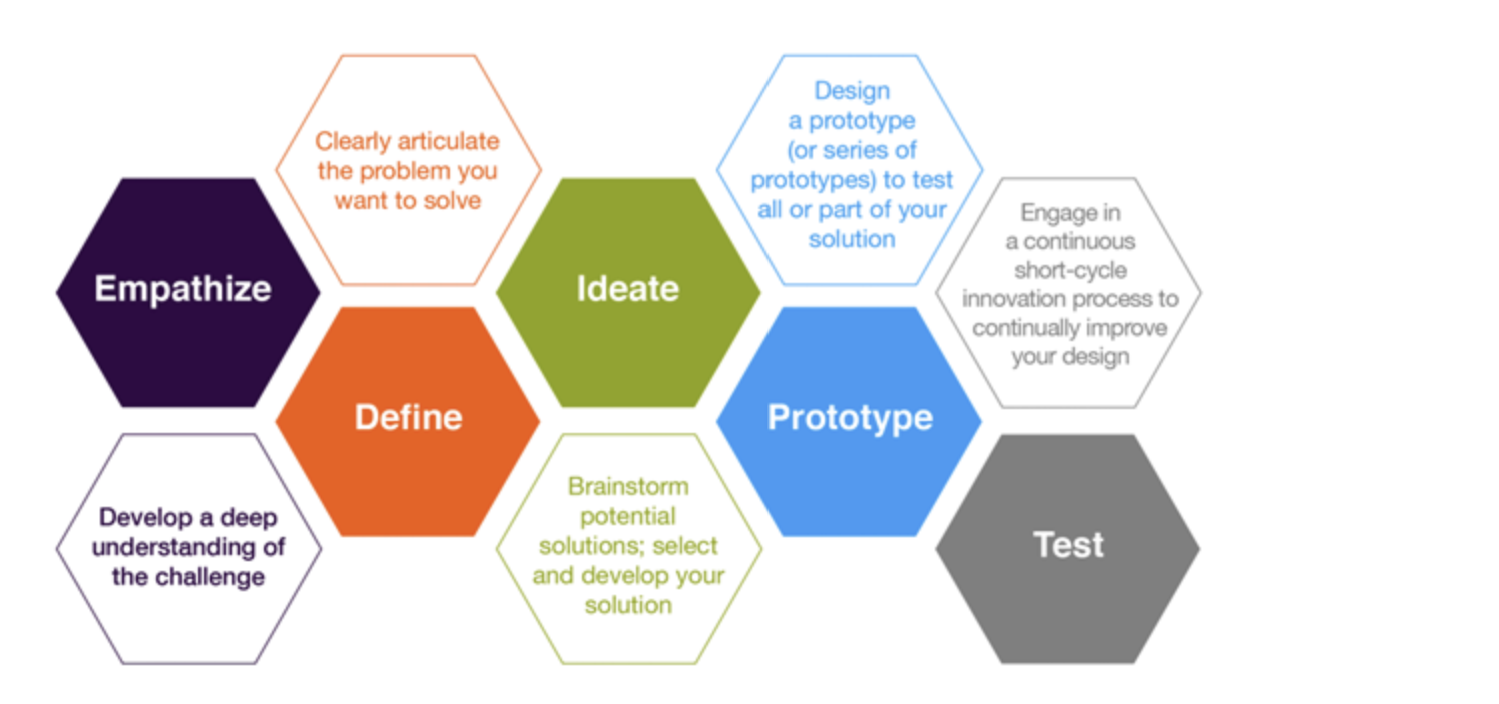
Source of Picture: Utrech University
Working in interdisciplinary teams, they then move into the ideate phase, generating and refining possible solutions through discussion, brainstorming, and collaborative thinking. The most promising ideas are brought to life during the prototype phase, allowing students to transform concepts into more tangible solutions. Finally, through the test phase, participants gather feedback from stakeholders and community members to evaluate and further refine their ideas. By following this process, students are encouraged to co-develop solutions that are not only innovative but also grounded in the realities and needs of the communities they seek support.
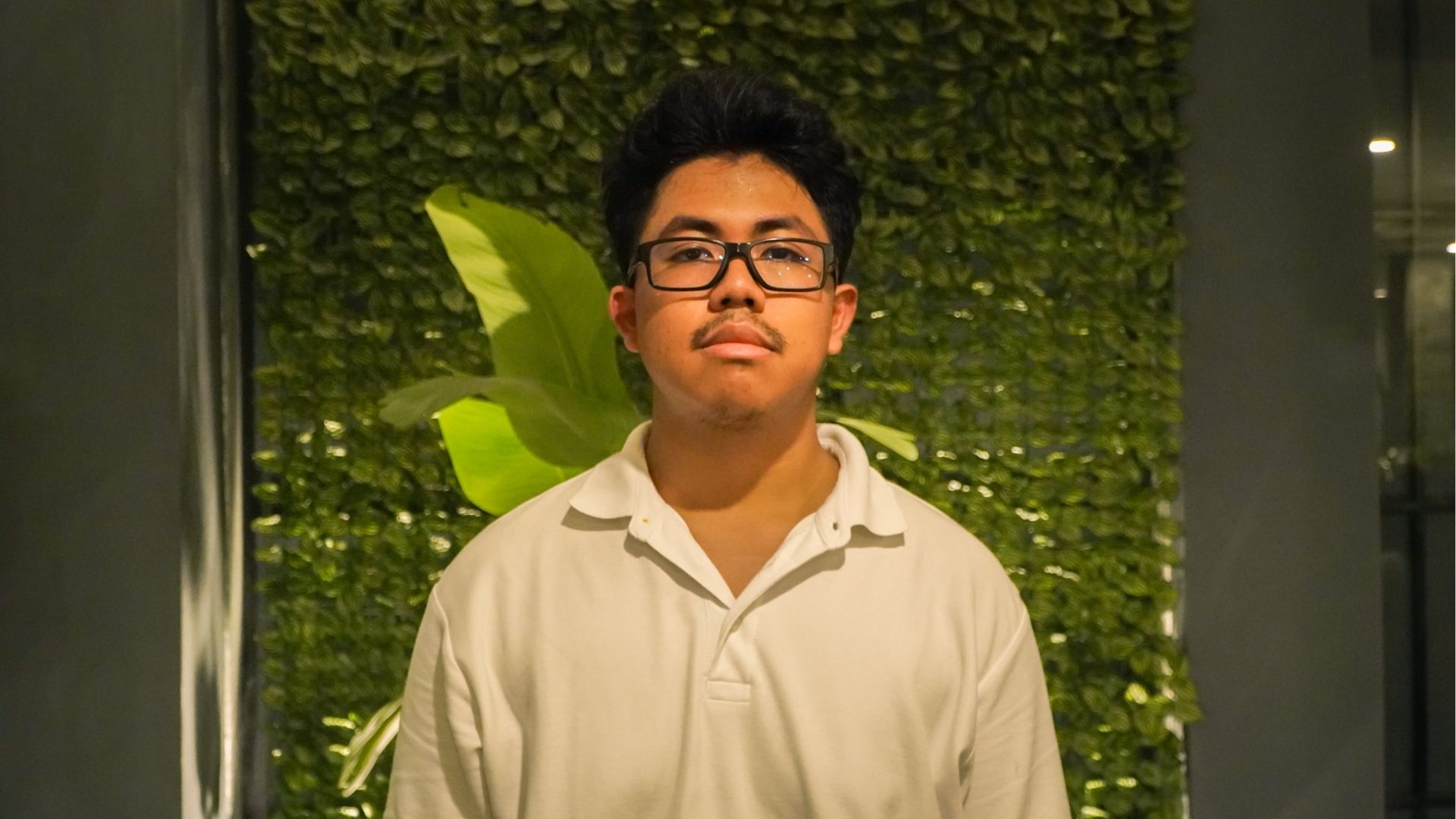
(Photo Credit: Andi D. Ahnafandra)
“By joining LeX, I gained firsthand experience in applying design thinking. One of the biggest lessons I learned was not to make assumptions. We are not experts on the challenges faced by the community, and a few days of interaction are not enough to fully understand their realities. Instead, we need to listen, stay open-minded, and learn from their experiences. Those insights became the foundation for the solutions we co-developed with the community,” expressed Nathanael Owen Chandra, International Business Management students from BINUS University’s Global Class program.
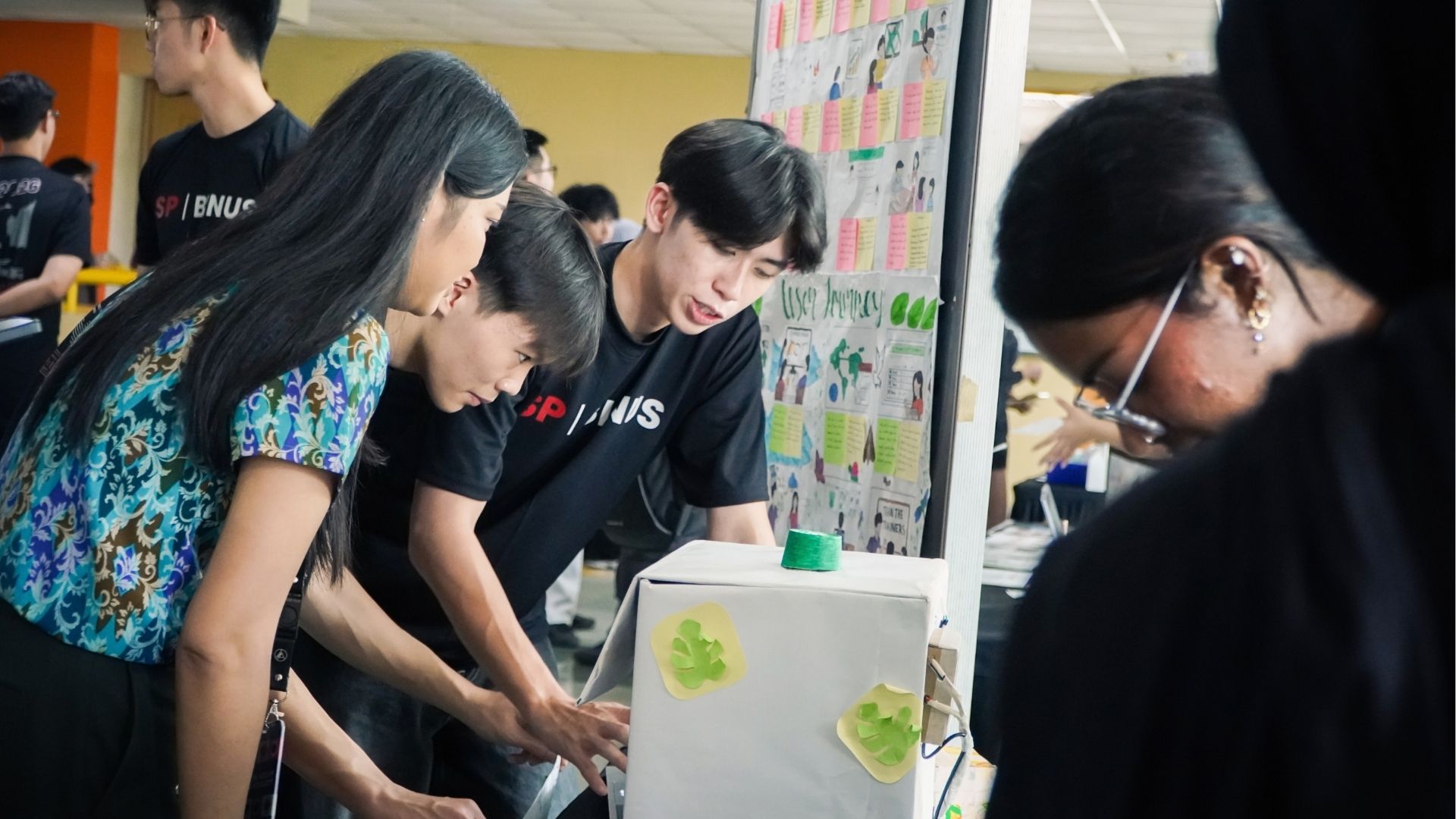
After a week of working through the five phases of the design thinking process, participants were ready to showcase the prototypes they had developed during the Gallery Walk session. The exhibition hall on the 2nd floor of Anggrek Campus was transformed into a vibrant showcase of the ideas, insights, and solutions developed by each team. Standing alongside their work, all participants eagerly shared the stories behind their concepts, explaining how their interactions with KDM and A-Green had shaped their understanding of community needs and influenced the solutions they proposed.
(Photo Credit: Andi D. Ahnafandra)
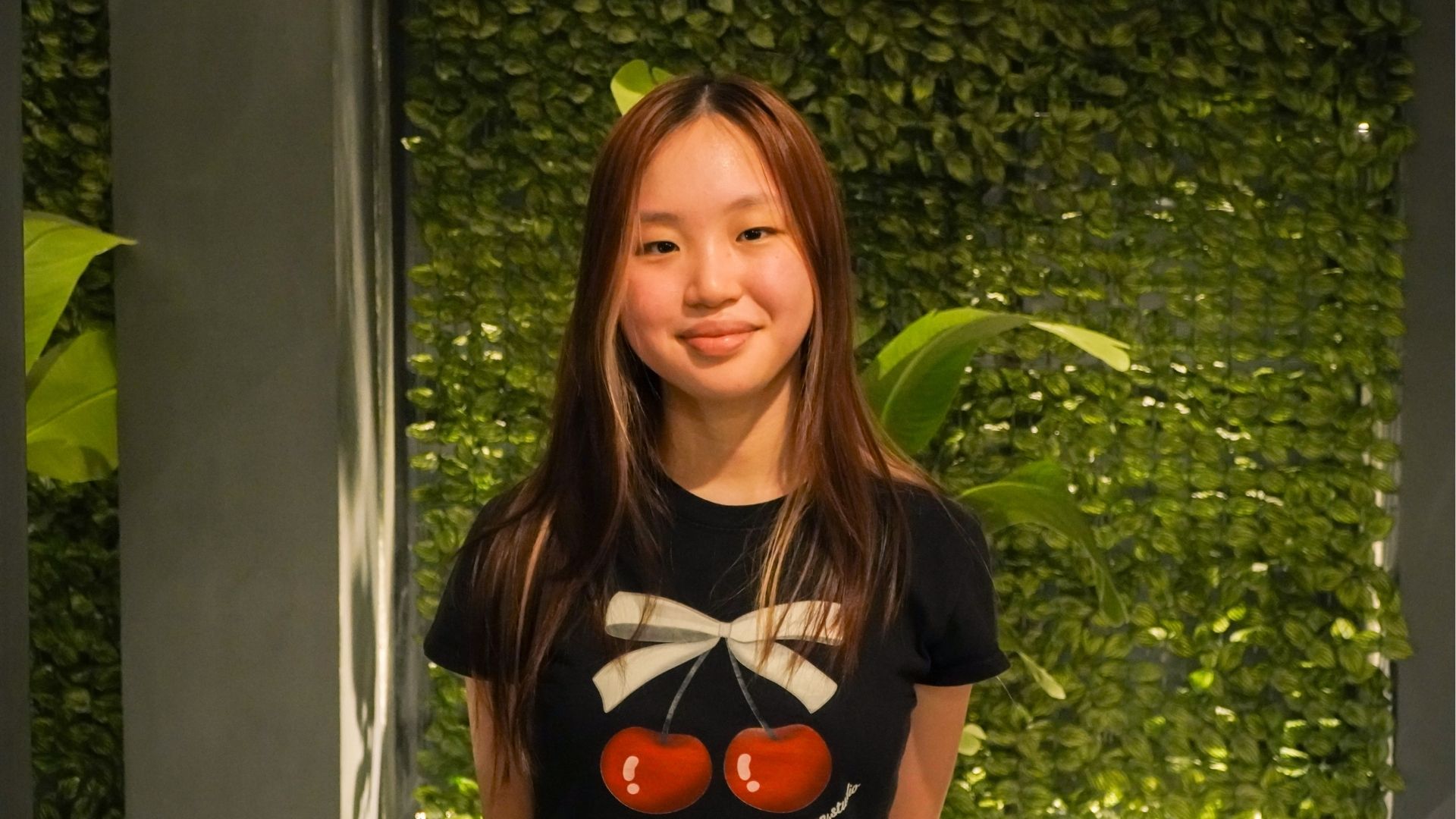
“This was my first time visiting Jakarta, so it was exciting to learn about the culture. Working with the KDM community was a great experience, although there was a bit of a language barrier since I don’t speak Bahasa Indonesia. Thankfully, our BINUS buddies helped us communicate and connect with the children. They were very open in sharing their stories and daily experiences with us. Through our conversations, we learned that many of them needed more encouragement to stay engaged and confident in learning. Based on what they shared, we developed a solution and presented it to them. Seeing how engaged and excited they were about the idea was one of my favorite moments from the program,” shared Kayla Chua, Cybersecurity and Digital Forensic student at Singapore Polytechnic.
Their enthusiasm to explain their prototype to visitors had drawn bigger attention not only from fellow students, but also staff members, lecturers, and university leaders who stopped by to learn more about the projects. Representatives from KDM and A-Green were equally excited to see how the students had woven together their different perspectives, experiences, and cultural backgrounds into solutions that reflected the voices of the communities they had engaged with and brought their stories to a wider audience.


(Photo Credit: Andi D. Ahnafandra)
“All projects are very creative and offer constructive solutions, but two projects stood out to us. Firstly, there is a reward-based membership system to encourage young people to participate in our activities, as most of our current members are older adults. By introducing membership cards and giving them a reward after collecting certain number of stamps, we hope to attract more young members and encourage their active participation later on. Secondly, a smart waste management system that will help residents sort their waste correctly. We particularly interested in developing these ideas further and have requested the students’ design, implementation guidelines, and cost estimates to explore the feasibility of implementing this prototype in our community,” said Miss. Nani, a representative from A-Green community.


(Photo Credit: Andi D. Anhnafandra)
Looking back on this journey, Learning Express demonstrates that developing community-driven solutions requires more than creativity alone. It takes collaboration, empathy, and a willingness to learn from different perspectives. Through the collaboration between BINUS University, Singapore Polytechnic, KDM, and A-Green, students gained a deeper understanding how different backgrounds and perspectives can lead to solutions that are grounded in community needs. 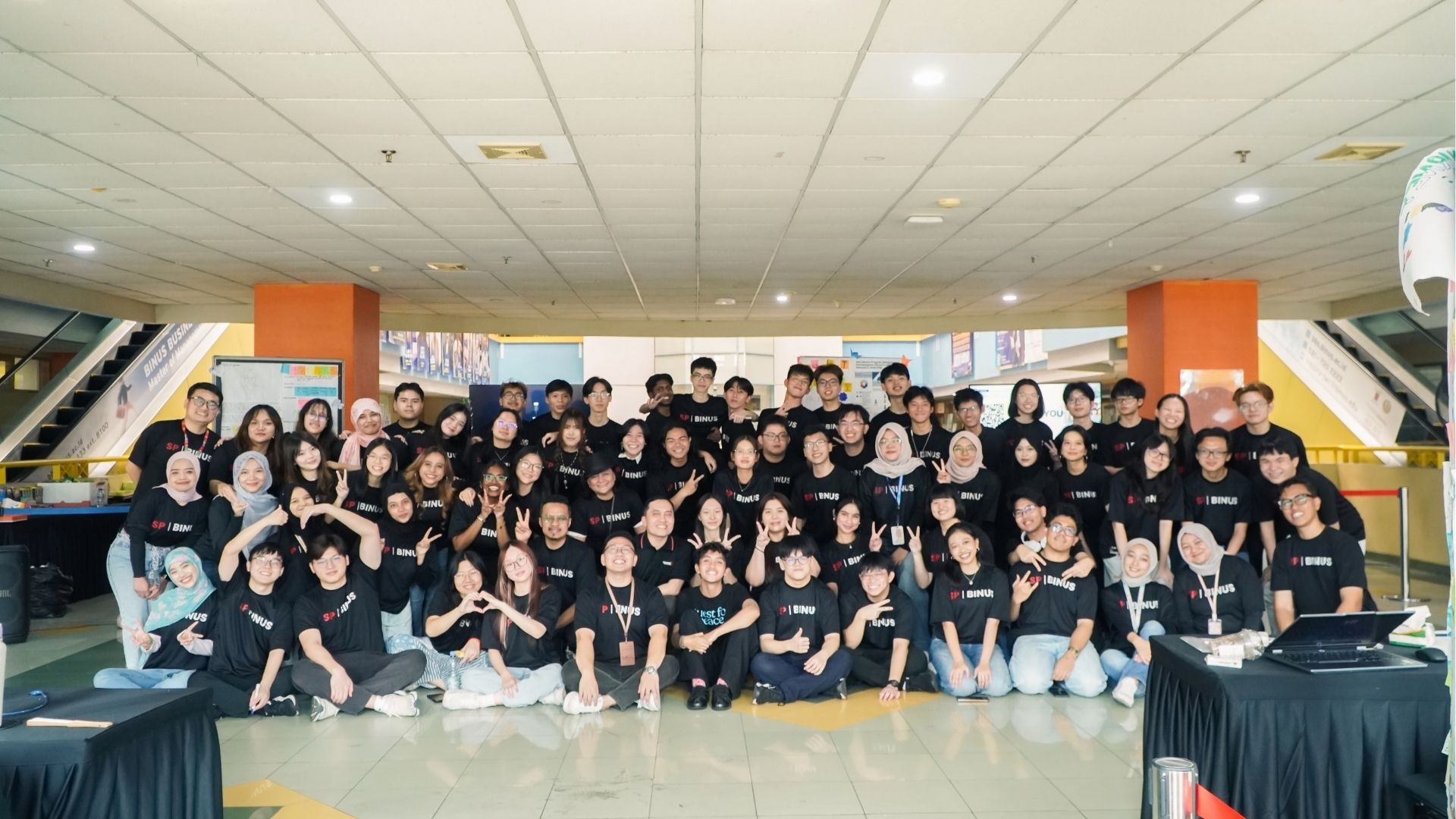
(Photo Credit: Andi D. Anhnafandra)
As part of BINUS University’s 45-year journey in co-creating the intelligent society, our partnership with Singapore Polytechnic continues to evolve through shared learning experiences such as this. Each year, new students, new communities, and new challenges bring fresh perspectives to the collaboration, keeping the exchange relevant and dynamic. We look forward to building on what has been achieved together and exploring new possibilities for collaboration in the years ahead.
Author: Mita Adhisti | Editor: Yusuf Rifai