Why Cross-Cultural Awareness Matters for Global Class Students Preparing to Study Abroad
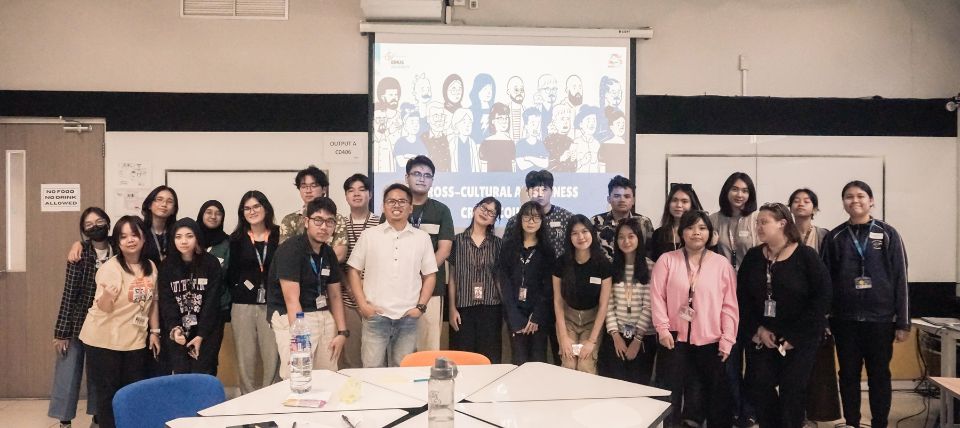
Tangerang, 8 June 2026 – As 100 Global Class students from International Business Management (IBM) and International Relations (IR) programs prepare to begin their next semester overseas, they joined the latest Cross-Cultural Awareness (CCA) Workshop on 5 June at BINUS @Alam Sutera.
While academic readiness remains an important foundation, students also need to be ready for the personal and social adjustments of life abroad since they will encounter new cultural norms, communication styles, and ways of making friendships. This is why this CCA workshop is essential for these students when they begin to study in host universities with greater openness and adaptability.
(Photo Credit: Mufti Al-Warits | Photo Editor: Andi D. Ahnafandra)
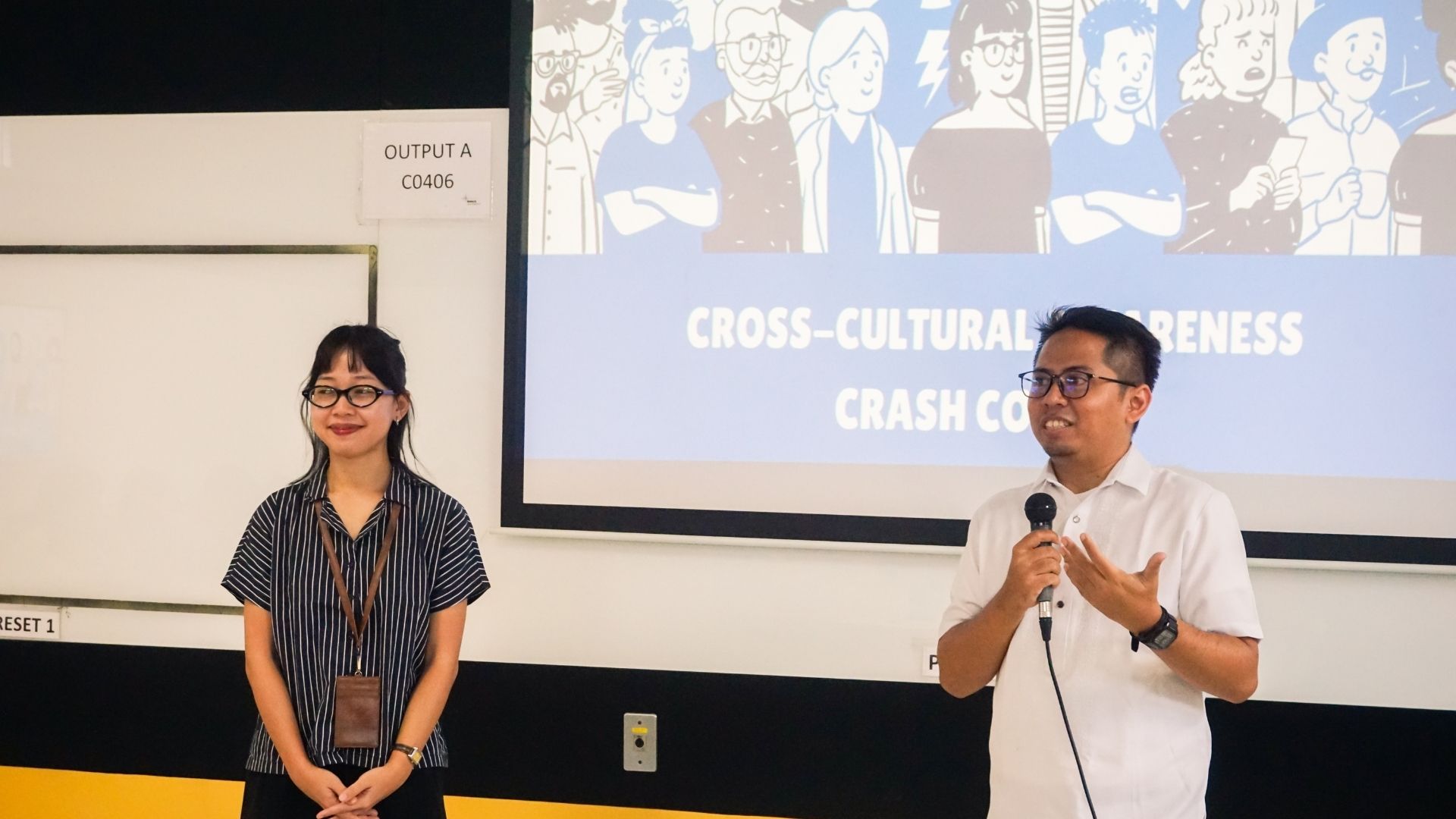
“Studying abroad is not just about being able to follow classes in another language. For many students, the harder part is adjusting to a new place, meeting people from different backgrounds, and figuring out how to navigate everyday life in an unfamiliar culture. This CCA workshop helps them look more closely at their own identity and culture before they enter a new community. It is a useful starting point for understanding how to interact with people whose values, customs, and communication styles may be very different from their own,” said Dimas Widyastomo, one of the workshop facilitators and the Program & Collaboration Section Head at the Office of the Vice-Rector for Collaboration and Global Engagement.
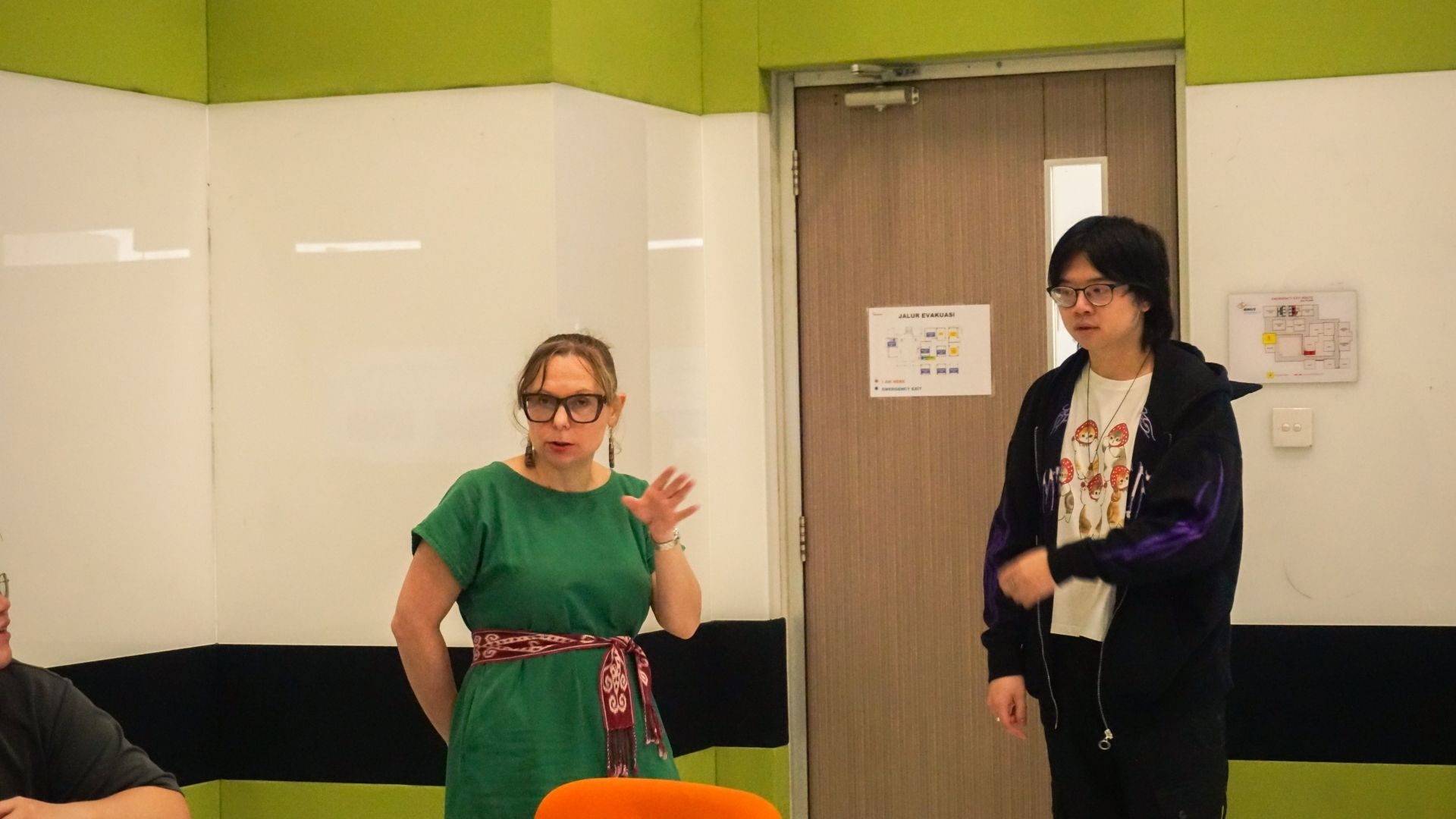
(Photo Credit: Mufti Al-Warits | Photo Editor: Andi D. Ahnafandra)
Offered in the last two years for GC students, the workshop was initiated and led by Lea Simek, Deputy Head of the Global Class for the International Business Management Program. The latest workshop was supported by five facilitators comprised of trained lecturers, staff, and returning study-abroad students.
By combining institutional guidance with personal experience, the workshop unfolds in two sessions that invite students to look more closely at the cultural perspectives they bring with them. The first introduces the Onion Model of Culture and cultural identity mapping, helping participants explore the visible and less visible layers of culture that shape their values, beliefs, and everyday behavior.
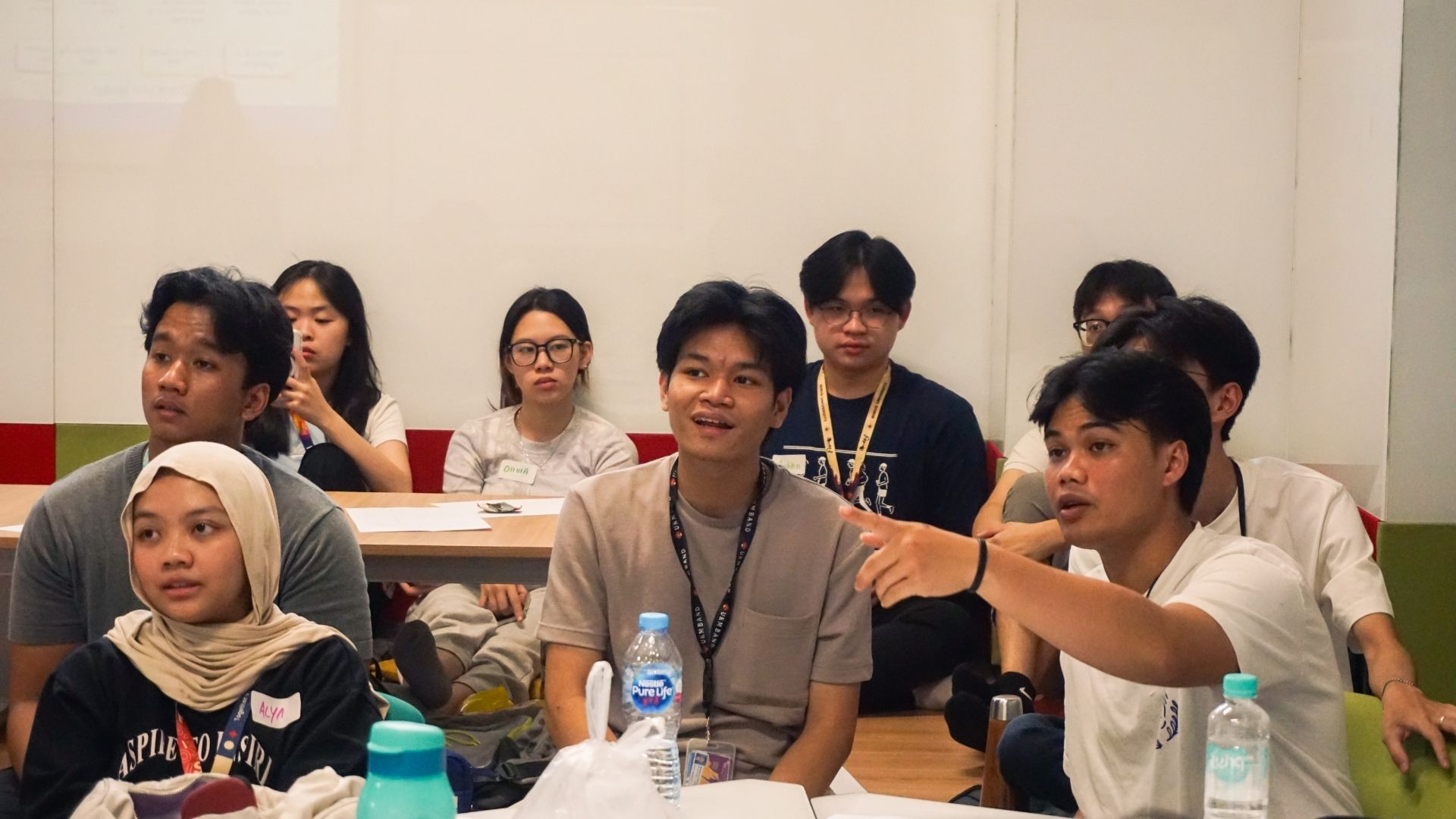
(Photo Credit: Mufti Al-Warits | Photo Editor: Andi D. Ahnafandra)
The discussion then moves to stereotypes and prejudice, where students examine how quick assumptions can affect communication across cultures. By understanding that others may see the same situation through a different lens, participants are encouraged to communicate more thoughtfully and build respectful relationships in diverse settings.
Such awareness is essential for anyone planning to engage with people from different cultural backgrounds. Felicia Stephanie Rusadi, one of the students who had participated in the workshop, shared, “I think this CCA workshop is really beneficial for those who want to go abroad to study, work, join a volunteer program, or even travel temporarily, because it gives them the awareness to understand the cultural differences among the people they will meet.”
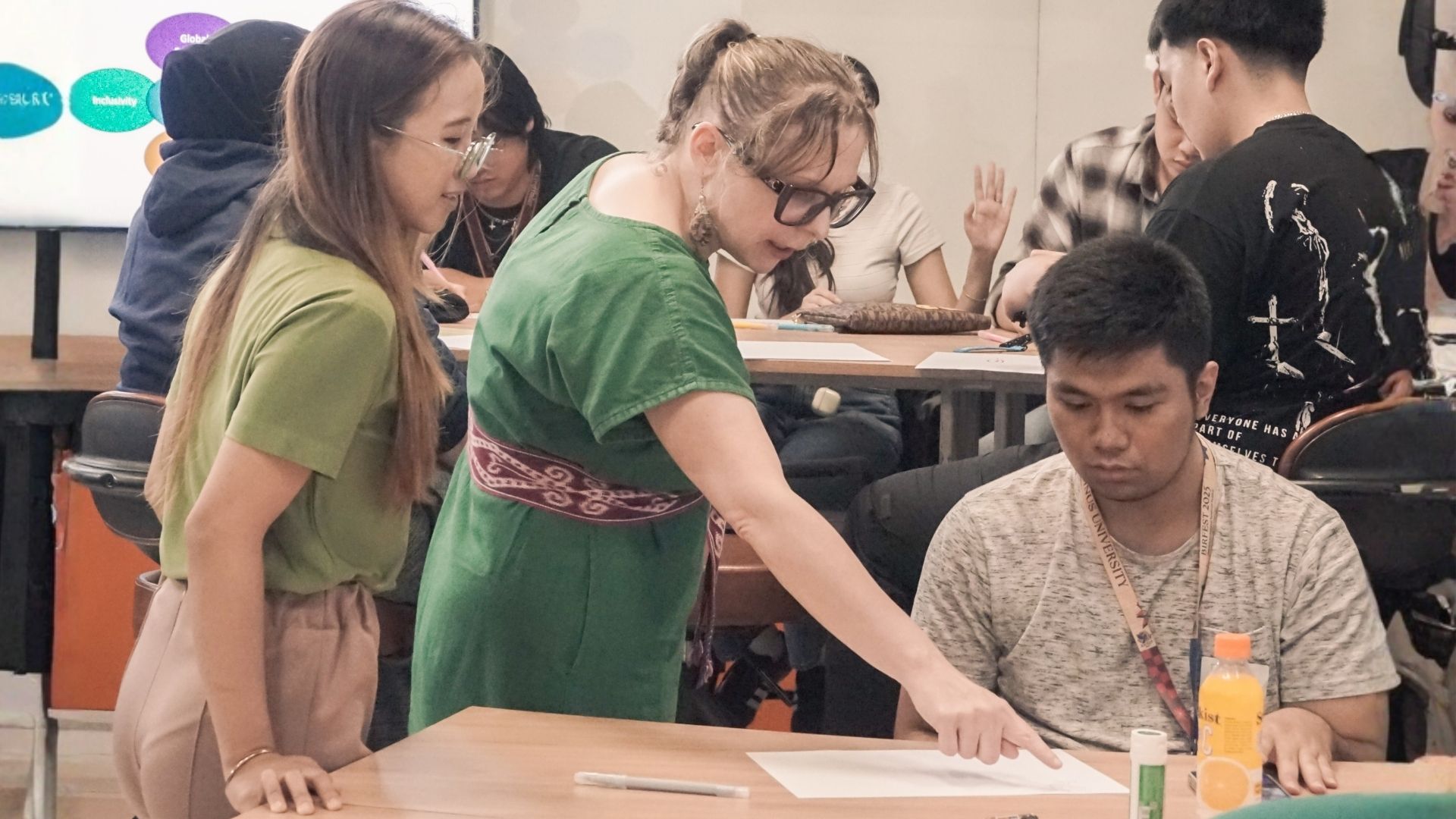
(Photo Credit: Mufti Al-Warits | Photo Editor: Andi D. Ahnafandra)
To make these insights more relatable, the workshop also encourages open conversation and peer-to-peer sharing.
“As a student facilitator, I can share my experiences in a more relaxed way and encourage participants to see the workshop as a space for discussion, not just a session where they listen to a presentation,” added Felicia, our International Business Management student who completed a study abroad program at the University of Nottingham Malaysia.
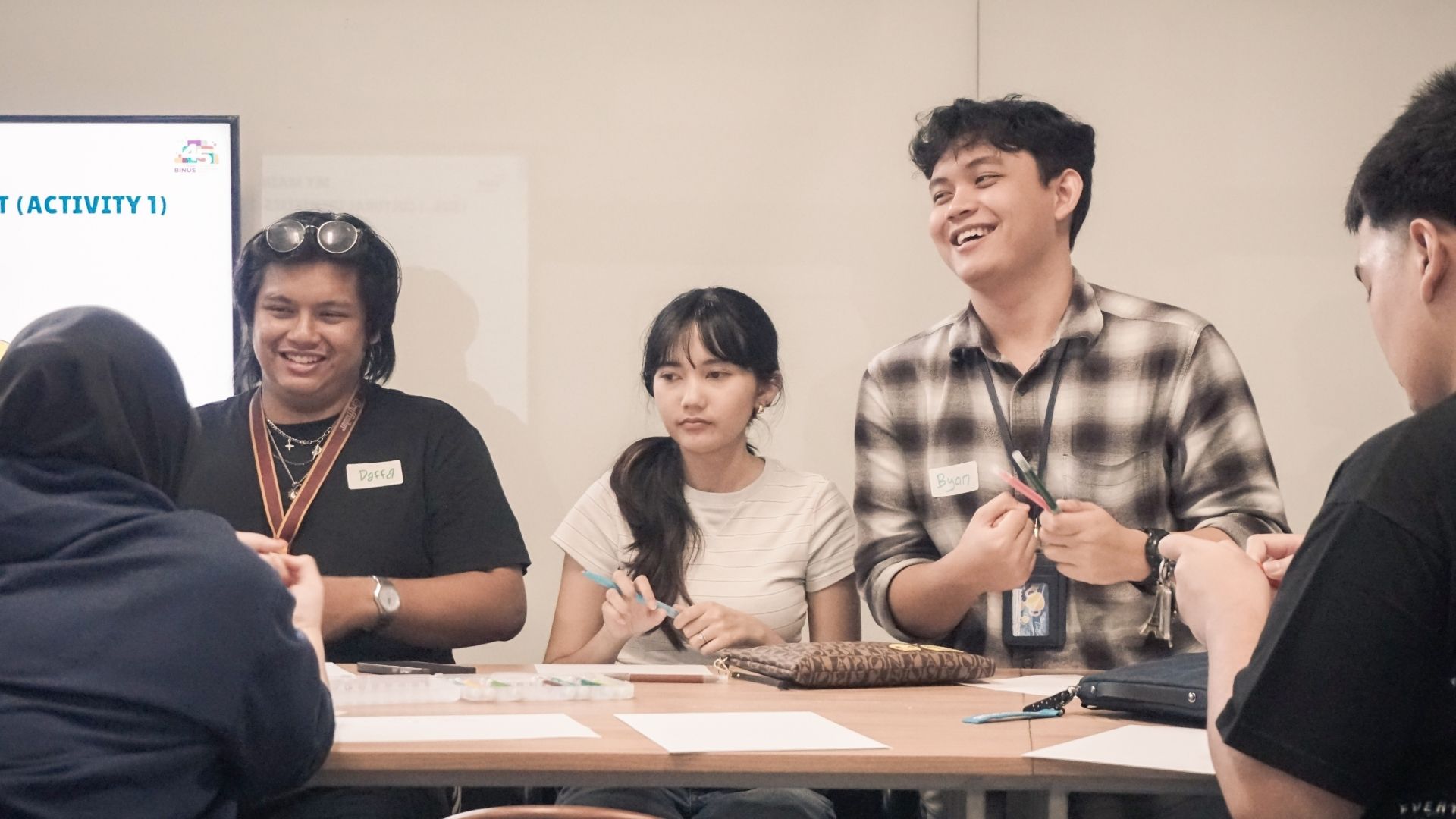
(Photo Credit: Mufti Al-Warits | Photo Editor: Andi D. Ahnafandra)
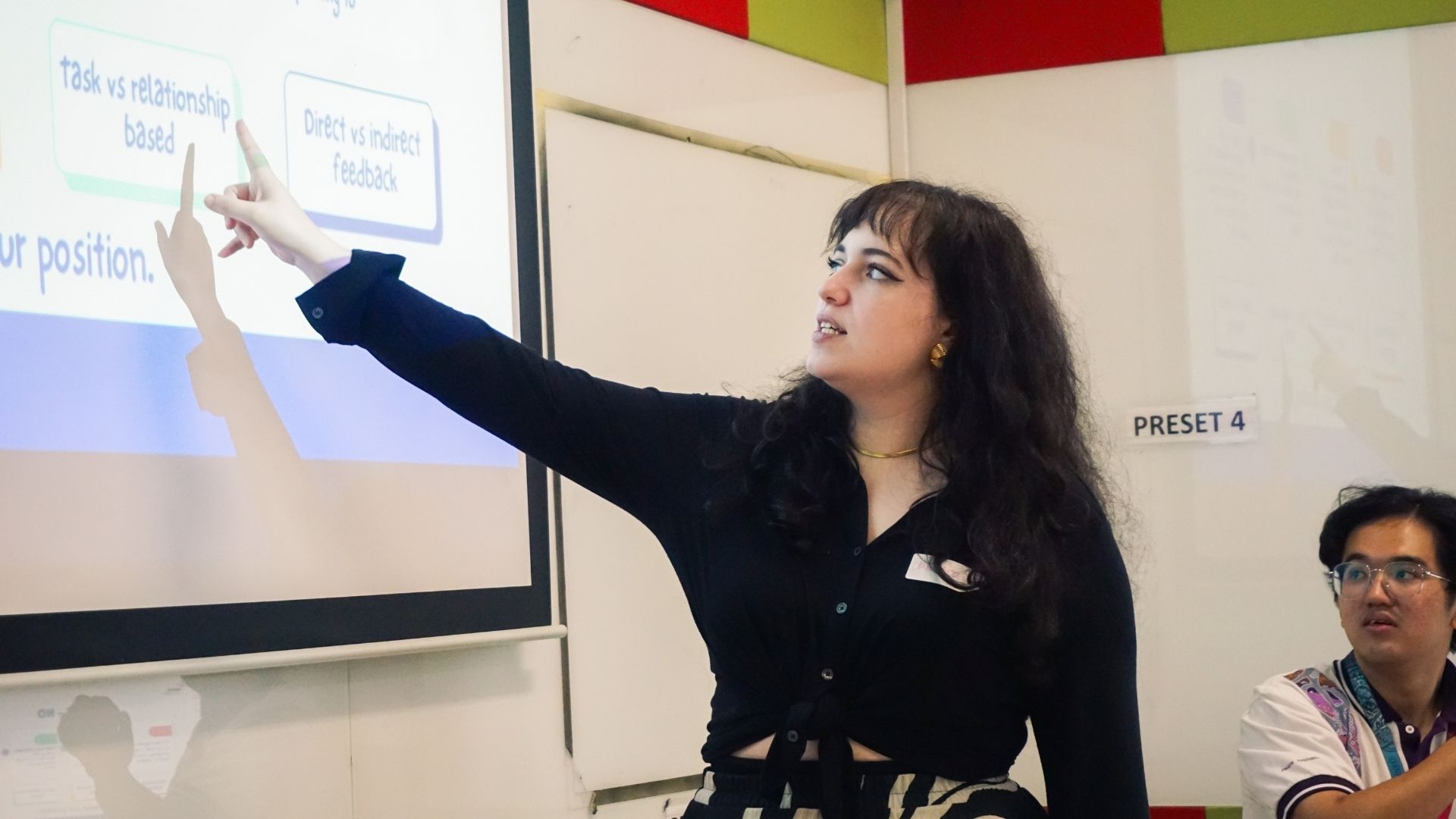
In the second session, participants engage in an interactive group discussion after completing a self-assessment based on Erin Mayer’s The Cultural Map. The assessment helps students identify their individual cultural profiles across eight dimensions: communicating, evaluating, persuading, leading, deciding, trusting, disagreeing, and scheduling.
Drawing on Edward Hall’s concept of high- and low-context communication, participants reflect on how cultural background and nationality may shape their preferences, responses, and behaviors. By comparing their personal results with those of classmates, students can better understand how culture influences communication styles, expectations, and interpersonal relationships.
(Photo Credit: Mufti Al-Warits | Photo Editor: Andi D. Ahnafandra)
To assess how well students have understood and applied the material presented throughout the workshop, the facilitators provide two practical exercises to be completed during their study period. These activities encourage students to reflect on their own interactions with peers and connect their personal experiences with the concepts introduced in the Onion Model and The Culture Map.
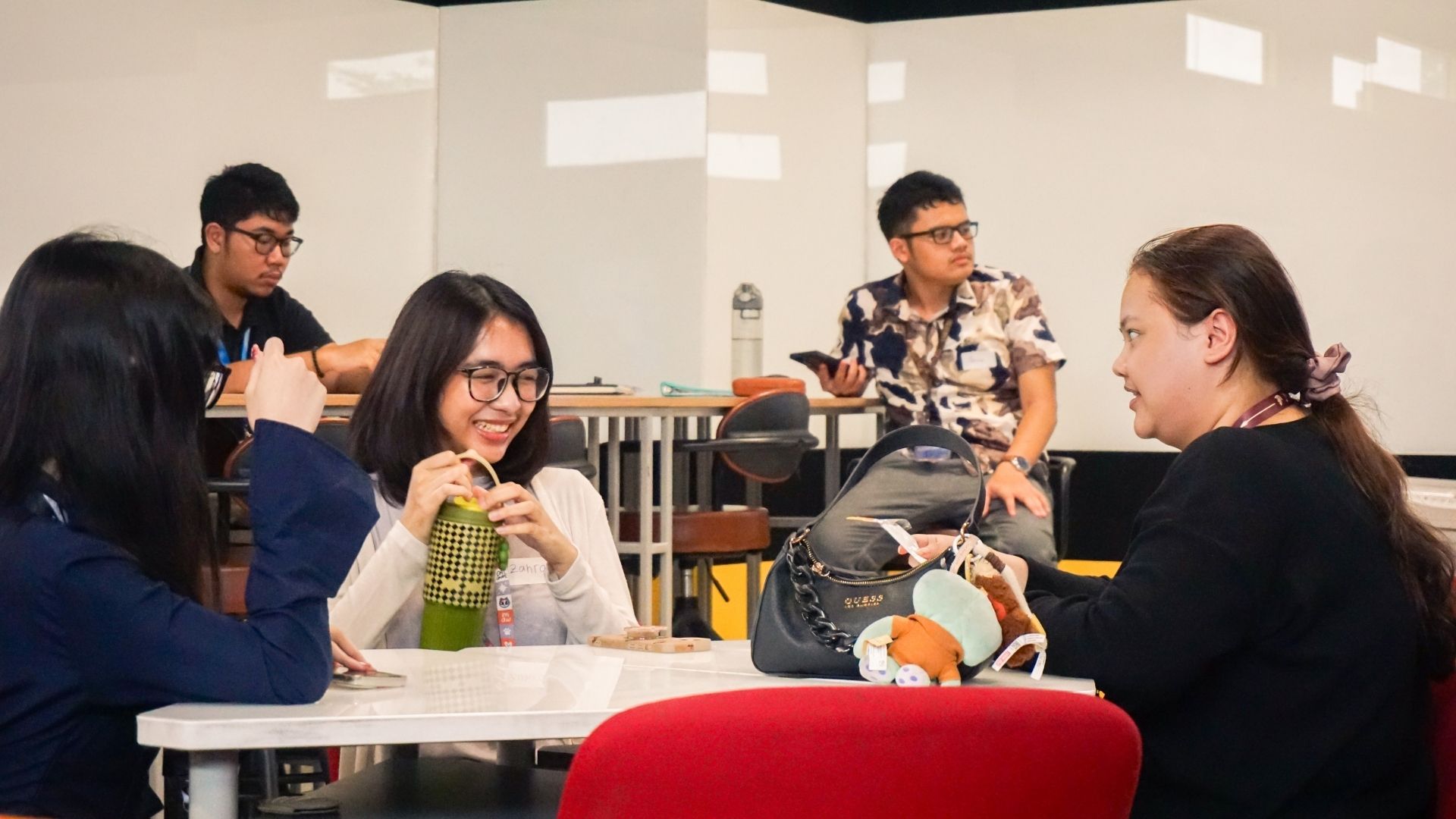
In the last two years, we have received hundreds of submissions, showing how students have begun to recognize cultural influences in their communication, relationships, and everyday interactions. Some of these students have gone even further by joining the program as student facilitators.
(Photo Credit: Mufti Al-Warits | Photo Editor: Andi D. Ahnafandra)
By doing so, they not only apply the knowledge they gained from the workshop but also develop the confidence to share it with their peers. Ultimately, this is what the workshop aims to achieve in preparing our students to become confident, culturally aware, and adaptable future leaders.
Author: Mita Adhisti | Editor: Aninda Rahmasari