BINUS Explores How AI Is Shaping Careers and Indonesia’s Digital Future
Jakarta, 6 October 2026 — Artificial intelligence (AI) is changing how people learn, work, and create value. As AI tools become increasingly accessible, the key question is no longer whether people use AI, but how they use it to create meaningful and responsible impact.
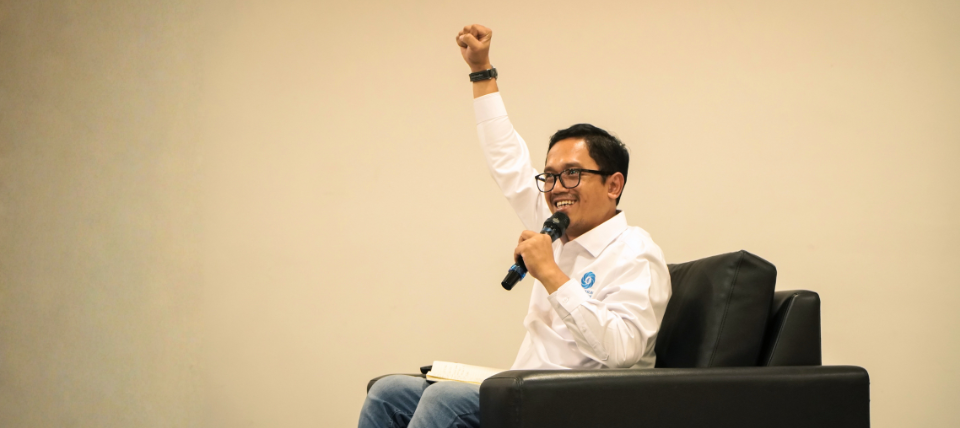
This perspective was highlighted during the BINUS SDGs Seminar Series 2026, titled “AI, Your Career and Indonesia: Who Wins the Digital Future?”, held at BINUS @Kemanggisan Anggrek Campus on 6 October 2026. Organized by the Internationalization Unit of BINUS University, the seminar featured Oce Priatna, Vice Chairman for International Relations at Asosiasi AI Indonesia, who discussed the opportunities and challenges of AI for students, careers, and Indonesia’s digital transformation, and moderated by Abram Setyo Prabowo, S.Kom., M.Cs., Internationalization and Partnership Officer, School of Computer Science, BINUS University.
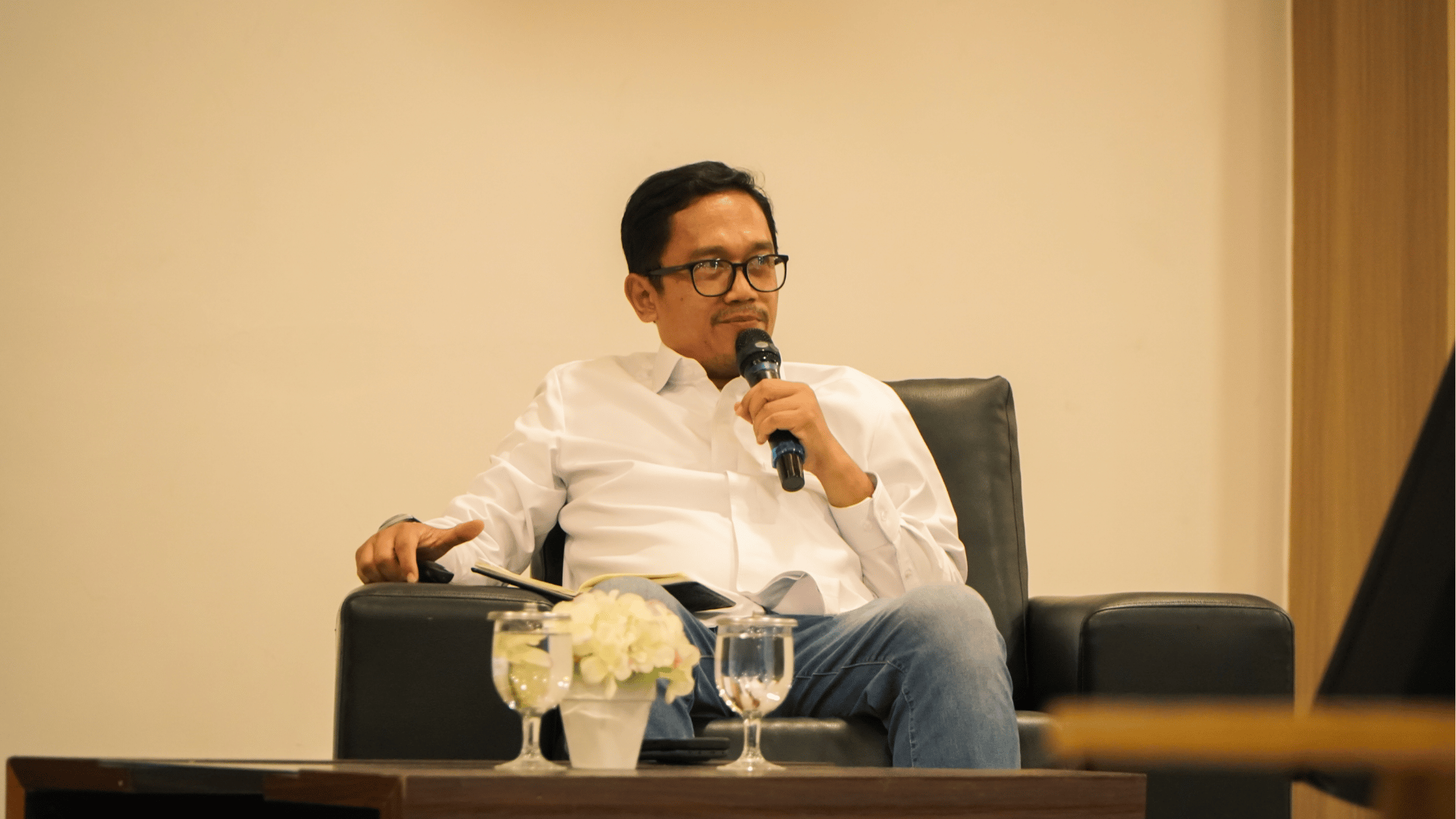
Photo Credit: Andi D. Ahnafandra| Photo Editor: Mufti Ardin
Oce emphasized that access to AI is no longer a competitive advantage, as people increasingly have access to the same tools. What differentiates individuals is their ability to combine AI with expertise, critical thinking, and human judgment.
He introduced three ways students may engage with AI: as consumers, who use AI mainly to work faster; augmented professionals, who use AI while verifying and deepening their expertise; and builders, who identify real problems and create solutions that generate value.
The discussion also addressed concerns about AI and employment. Rather than asking whether AI will take people’s jobs, Oce encouraged students to consider how AI will transform the tasks within those jobs. While repetitive activities may increasingly be automated, areas requiring expertise, problem solving, security, communication, and an understanding of users will continue to require strong human capabilities.
According to Oce, preparing for an AI driven future requires more than AI fluency. Students need to develop a combination of AI fluency, domain expertise, and human judgment, including curiosity, empathy, ethics, courage, and communication.
“The future belongs to those who can combine AI with their expertise and human judgment to solve real problems. Instead of starting with technology, start with people, understand their challenges, and build solutions that create meaningful value,” said Oce Priatna, Vice Chairman for International Relations at Asosiasi AI Indonesia.
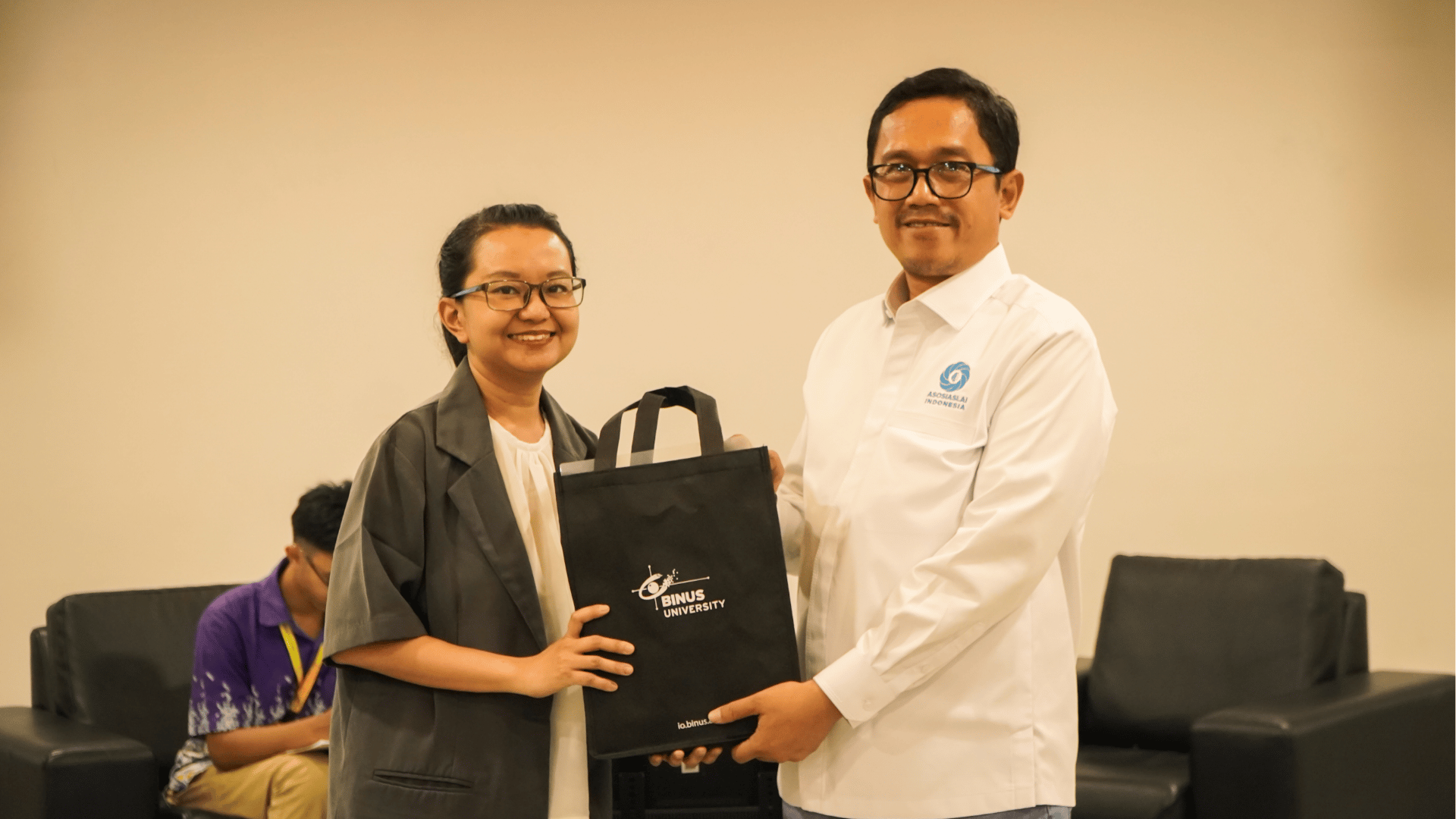
Photo Credit: Andi D. Ahnafandra| Photo Editor: Mufti Ardin
The seminar further connected AI with Indonesia’s broader digital development. Oce highlighted that increased digital access does not always translate into digital readiness. As technology adoption continues to grow, Indonesia needs people who can use technology safely, understand its implications, and ensure that digital transformation creates inclusive opportunities.
Sustainability was also part of the discussion. AI relies on significant physical infrastructure, including electricity, cooling, water, chips, and data centres. As AI adoption expands, responsible innovation must therefore consider not only what technology can achieve, but also the resources and societal impact behind it.
Closing the session, Oce challenged students to look at Indonesia’s existing challenges as opportunities for innovation, particularly in areas such as education, healthcare, MSMEs, agriculture, accessibility, and climate. He encouraged participants to identify real needs and develop practical solutions rather than focusing on technology alone.
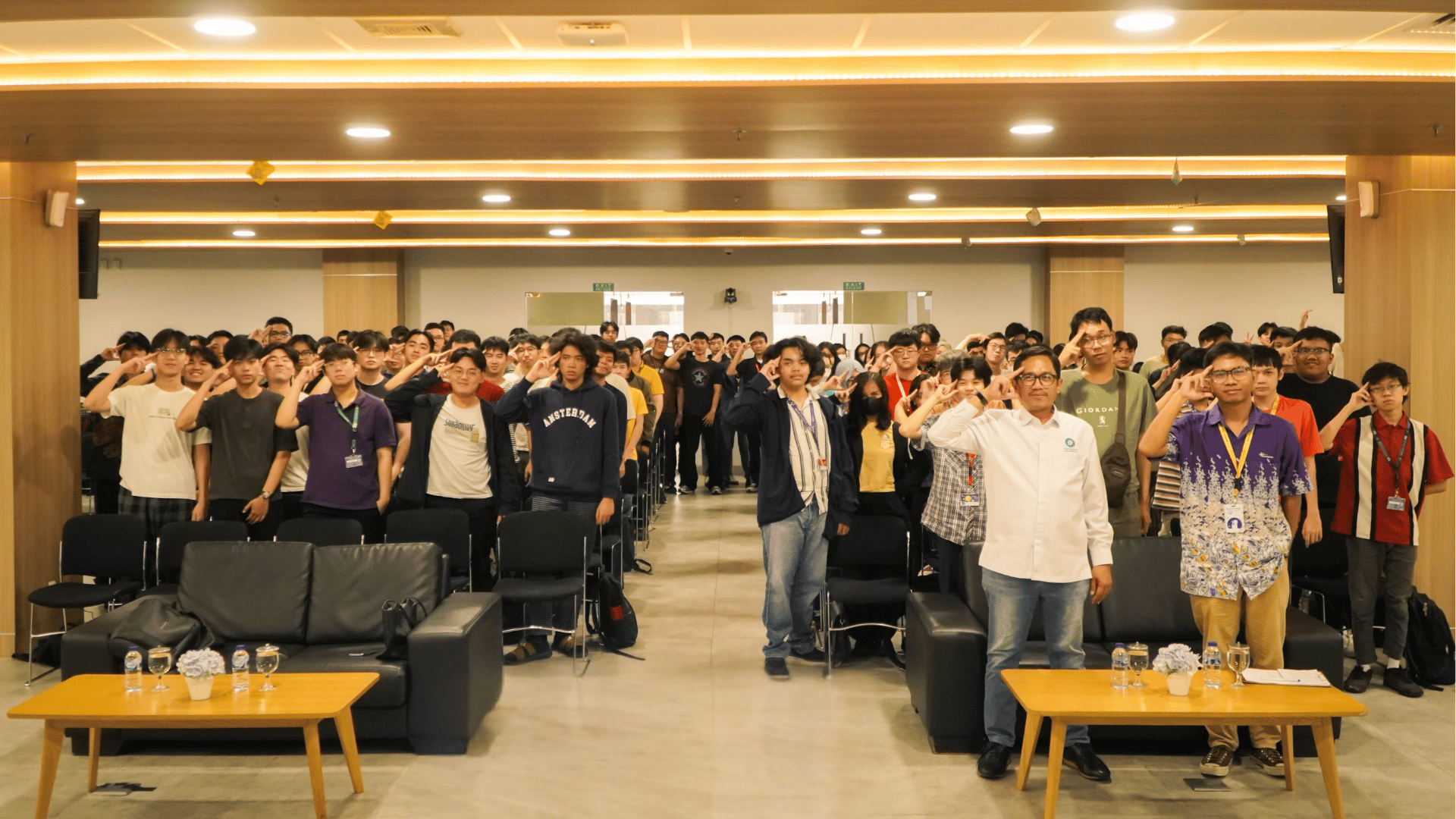
Photo Credit: Andi D. Ahnafandra| Photo Editor: Mufti Ardin
The seminar concluded with a practical challenge for students: identify one person facing a real problem, develop one small prototype, and begin testing the solution within thirty days.
Through the BINUS SDGs Seminar Series 2026, BINUS University continues to encourage students to engage with emerging technologies while developing the expertise, judgment, and sense of responsibility needed to contribute to a more inclusive and sustainable digital future.
Author: Yusuf Rifai | Editor: Aninda Rahmasari