15+ Years with AIMS: The Growth of BINUS University’s Regional Network
Jakarta, 30 October 2026 – Joining the Asian International Mobility for Students (AIMS) Programme in 2010, BINUS University (BINUS) is one of its early participants and has been continuously active to this day. What began as a student mobility initiative under a government-to-government (G-to-G) framework, along the way this network has successfully channeled the university’s bilateral partnerships with higher education institutions across the region.
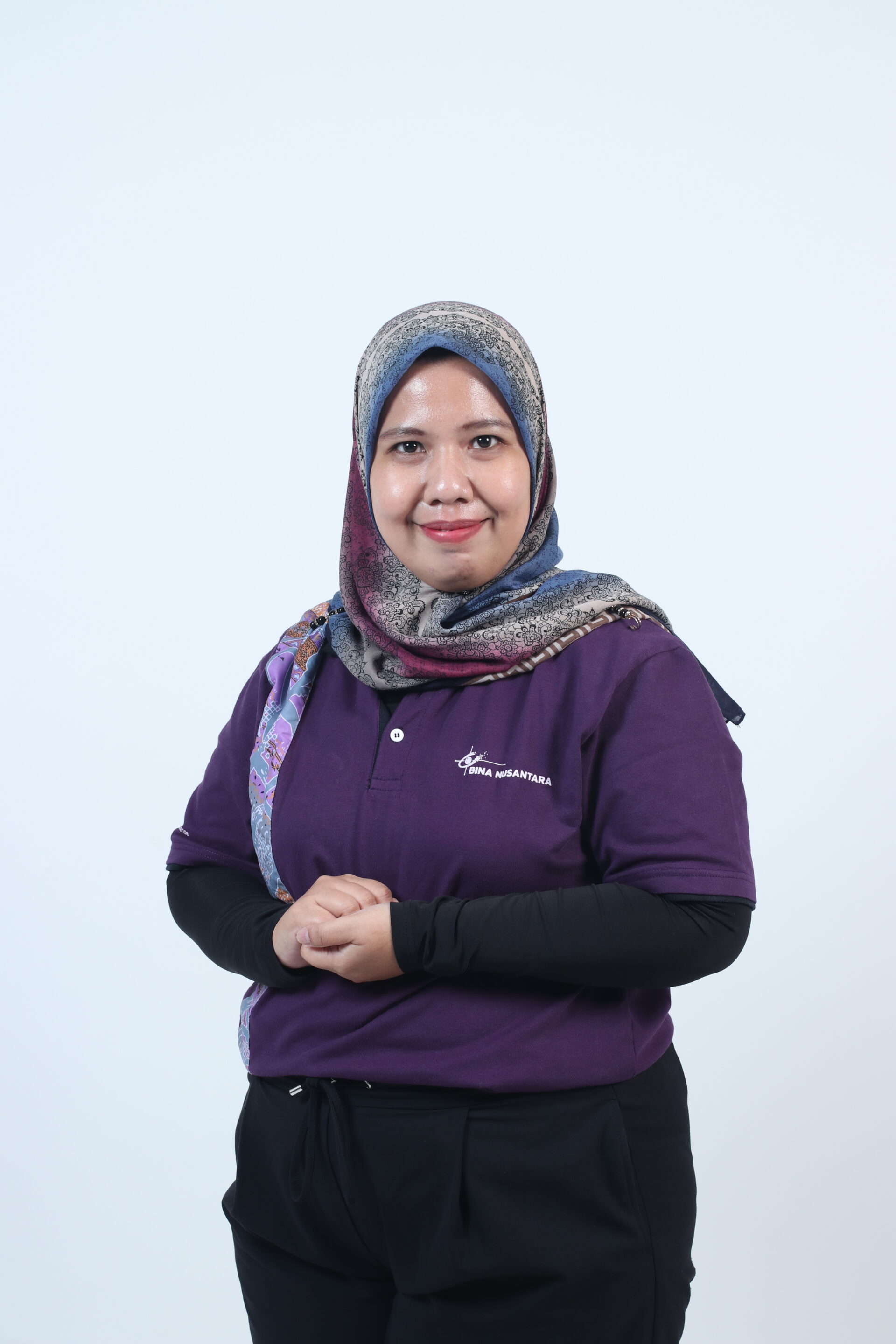
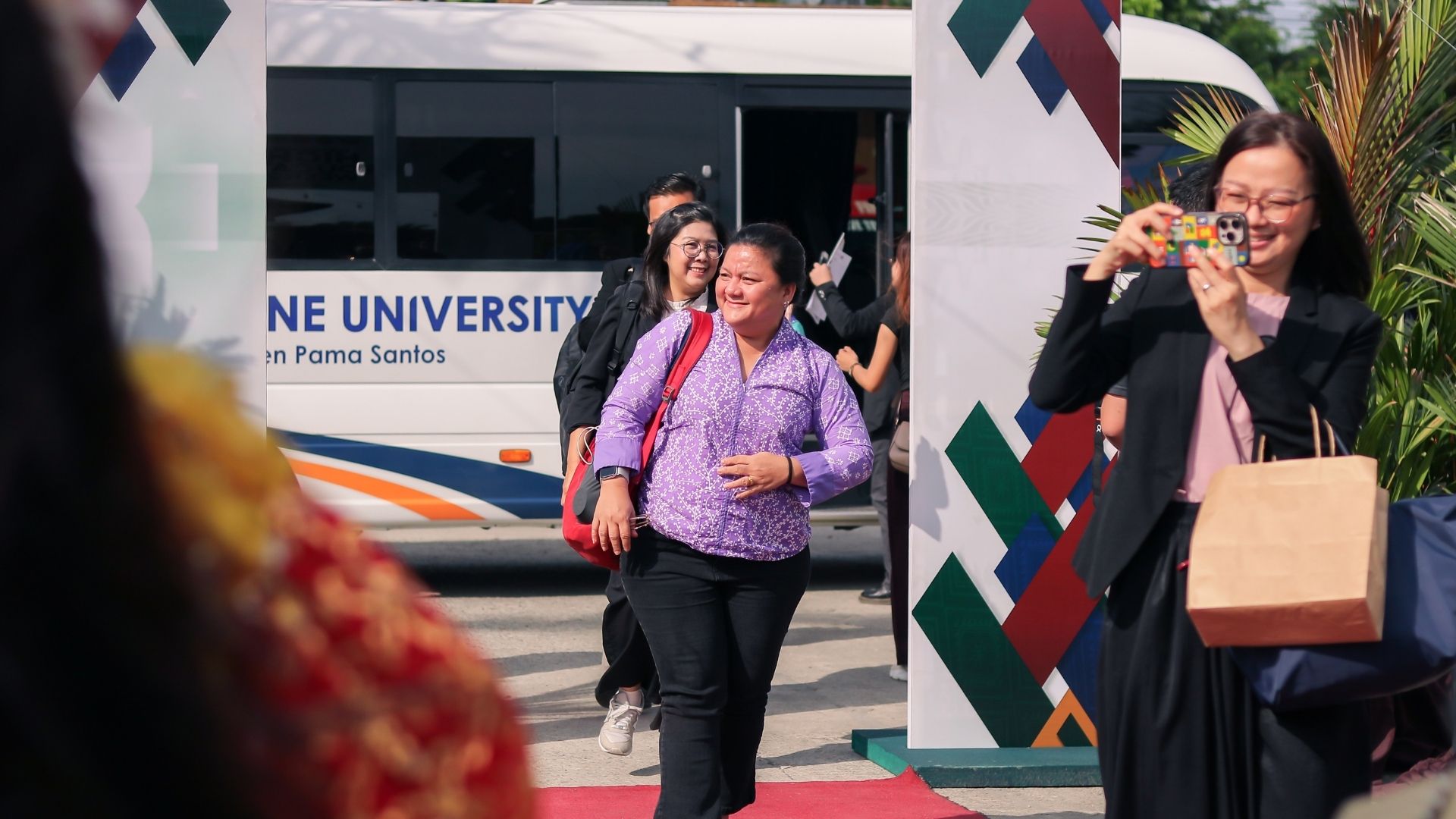
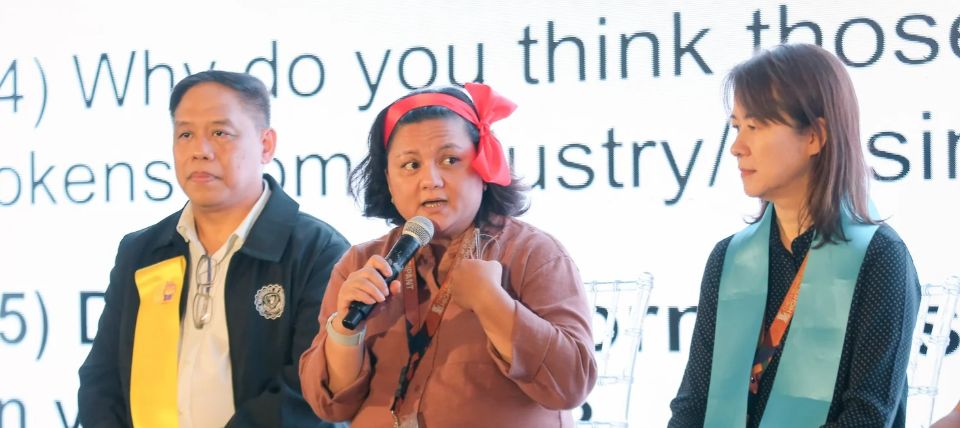
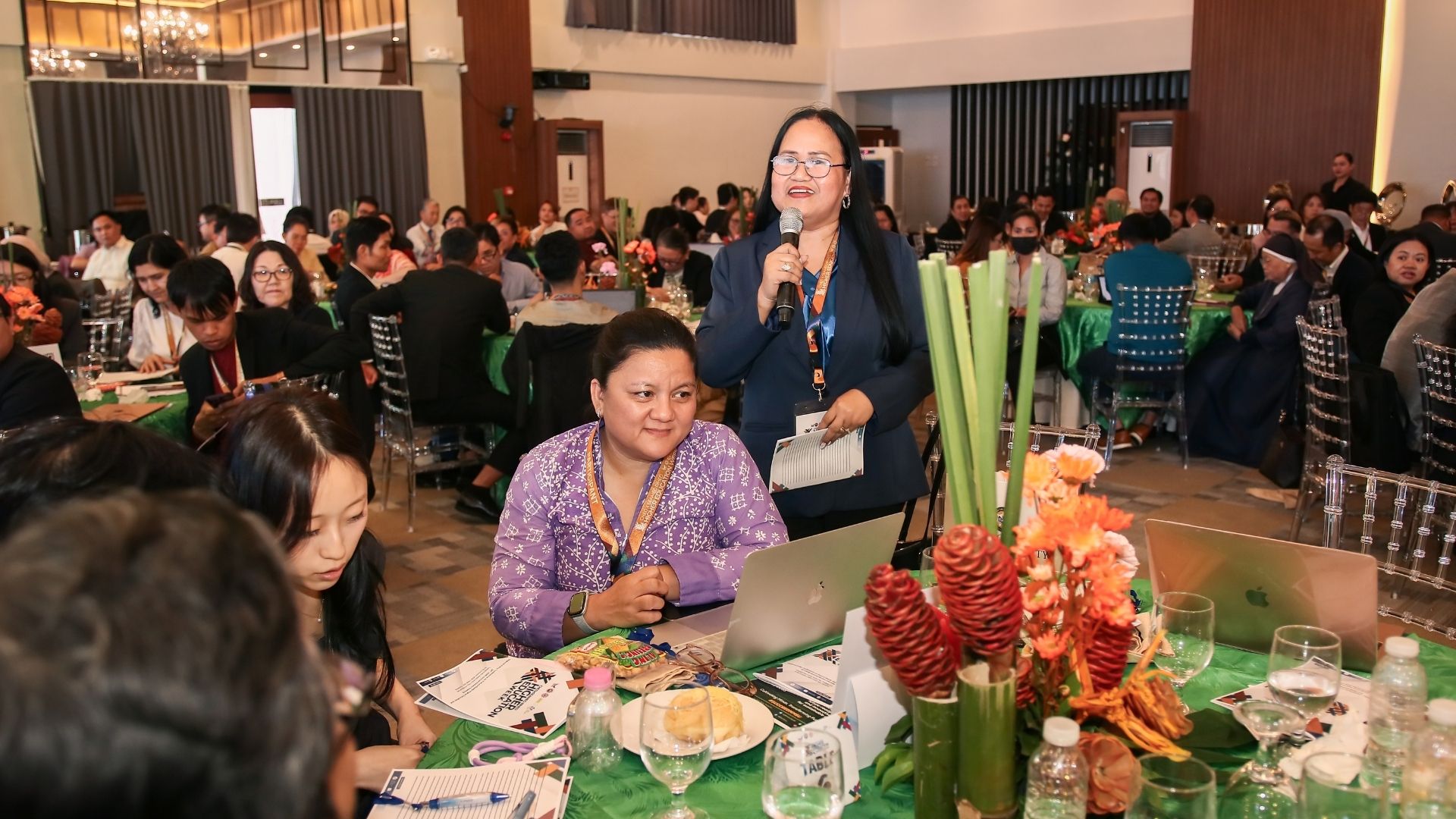
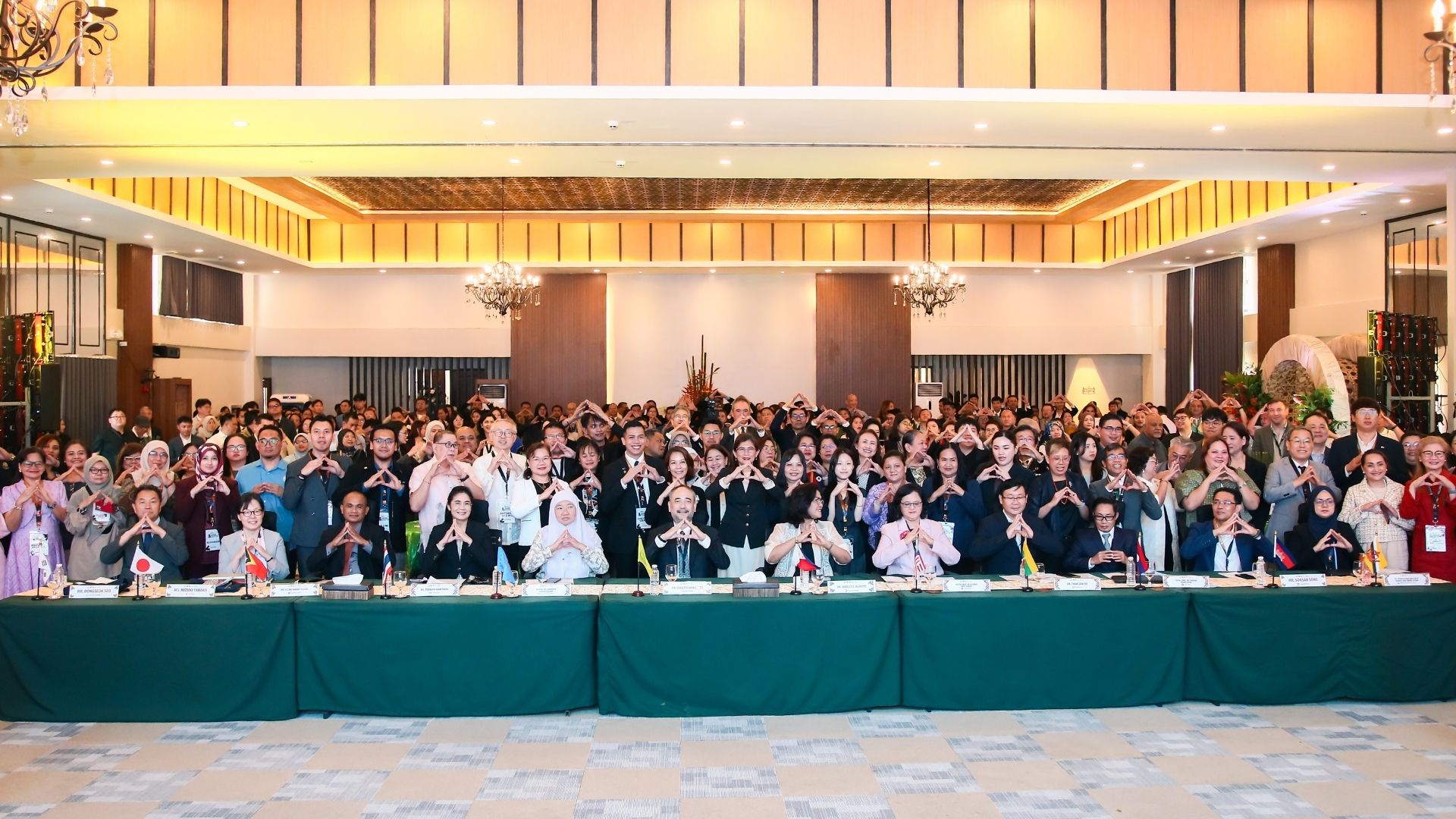
To gain deeper insights about this journey, as well as the strategies, challenges, and priorities ahead, we spoke with Debby S. Lubbis, Internationalization Associate Manager. Representing BINUS at the 20th Annual Review Meeting in the Philippines from 10-14 October 2026, she took part not only as a participant but also as a panelist.
Q&A
Between Mita Adhisti and Debby S. Lubis
(Photo Editor: Mufti Al-Warits)
The Journey So Far
Adhis: BINUS University has been part of AIMS for more than 15 years. Looking back, how has our participation in the program changed over the years?
Debby:
If we go back to the beginning, AIMS was a G-to-G agenda initiated by three countries: Malaysia, Indonesia, and Thailand, so it was known as the M-I-T Programme. At the time, BINUS had already been sending students abroad since 2006, if I’m not mistaken. That likely one of the reasons the university was chosen by the Government of Indonesia to take part in this structured multilateral student mobility initiative from its early stages.
Year by year, more higher education institutions across Southeast Asia joined the network. It later expanded to Japan in 2013 and South Korea in 2016, with Cambodia joining as the latest member in 2024. Now, there are 10 member countries and 90 participating universities.
At first, its primary focus was student exchange. Over time, we got to know more institutions, built trust, and turned some of those relationships into bilateral partnerships. That’s something we didn’t really expect in the beginning. As the network expanded, so did the opportunities for us to build long-term strategic partnerships.
Adhis: What are BINUS University’s current priorities in strengthening its role within the AIMS network?
Debby:
We’ve spent years expanding our strategic partnership, and I believe there is still plenty of room to grow. Some member universities are already our bilateral partners, while others are not. The network has given a way to begin working together, so another priority for us is making sure more students can benefit from it. For sure, we want to involve more disciplines and help students discover more programs and destinations they may not have considered before.
When we first joined AIMS, International Business and Tourism and Hospitality were the areas that best matched both the programme’s priorities and our existing partnerships within the network. Unfortunately, we’ve seen fewer students from Tourism and Hospitality taking part in AIMS over time, while interest from other disciplines has continued to grow.
One area we are now exploring is Engineering. We see stronger potential there because more of our study programs are closely aligned with those offered by other universities within network. We believe it could create more opportunities for student mobility. Food Technology was included in the application as a starting point, but Engineering is the broader direction we hope to pursue.
Expanding into different disciplines isn’t a decision BINUS can make on its own. Any proposal would first need to go through the Indonesian Ministry of Education, Culture, Research, and Technology and then considered through the processes agreed upon by the AIMS member countries. My hope is that a more relevant academic focus will make it easier to create mobility opportunities and build new bilateral links.
(Photo Editor: Mufti Al-Warits)
Insights from This Year’s Meeting
Adhis: You joined this year’s Annual Review Meeting as a panelist. What insights emerged from the discussion?
Debby:
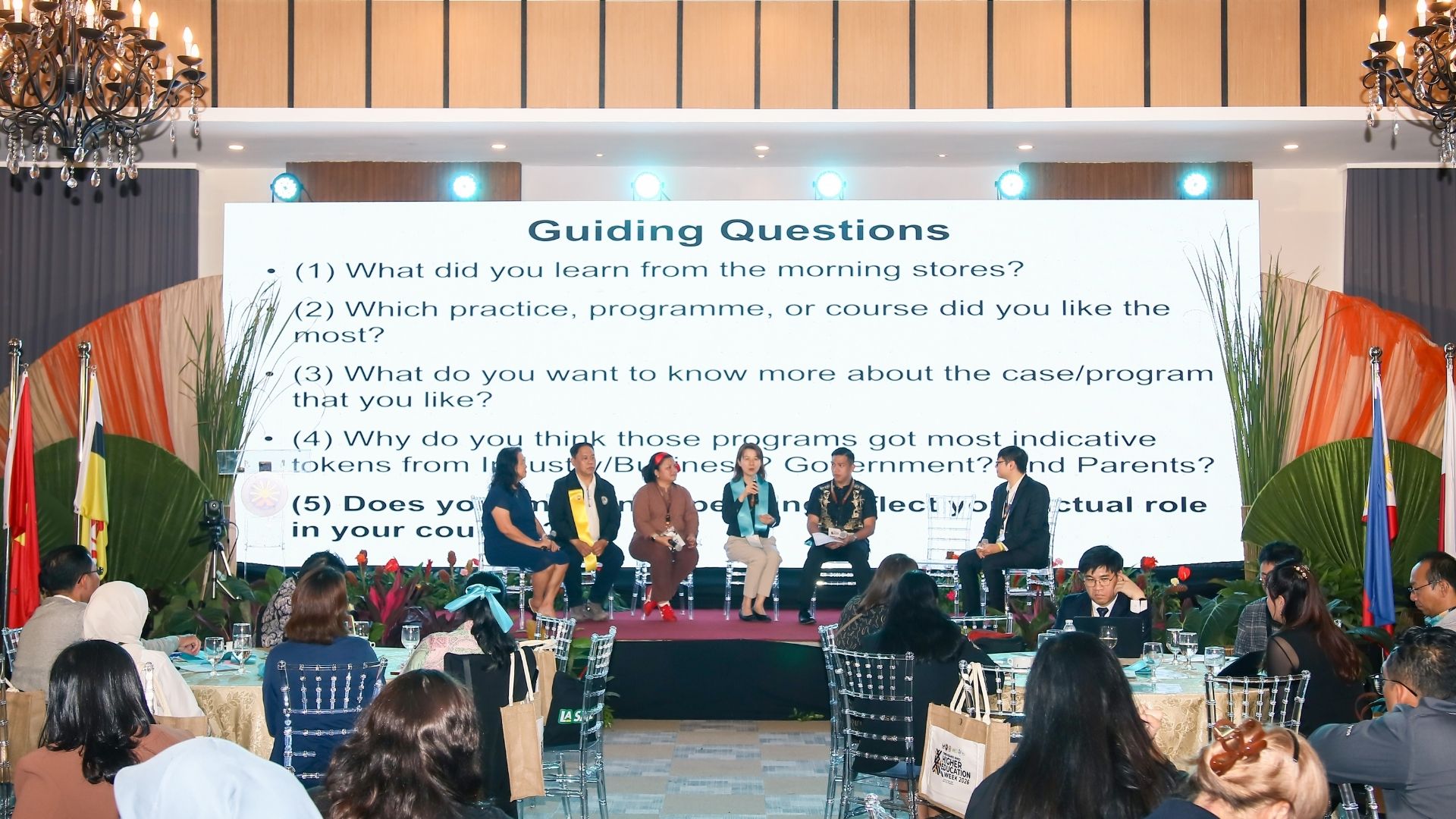
The format was different from the usual Annual Review Meeting discussion. We were asked to take part in a role-play and look at internationalization from three perspectives: government, industry, and parents. A lot of our usual conversations are about how programs operate, how many students move, or how funding works. This session made us step back and ask what each group actually hopes that students will gain from an international experience.
I was assigned the industry perspective, which gave me a chance to share something BINUS has spent a lot of time developing. We work with hundreds of industry partners, and we have forums where we can hear directly from employers about what they need. Sometimes the conversation isn’t about more technical knowledge. It might be about teamwork, for example, or the foundational skills that help graduates learn on the job. That kind of feedback can be brought back into discussions about teaching and curriculum.
Several peers approached me after the panel to ask how we make those conversations happen. I found that encouraging, because it showed that everyday practice at one institution could give others a useful idea. The parents’ perspective was also valuable. Families want to know that the experience will be worthwhile, especially in terms of learning quality and career prospects. And the government perspective reminded us how difficult it can be to align qualifications and education systems across countries. The panelists were playing those roles, not speaking as official representatives, but it was a useful exercise in seeing the bigger picture.
Adhis: What did the discussions reveal about the current challenges in student mobility, and how can universities respond to them?
Debby:
A big part of the discussion was about what worked, what didn’t, and what we should improve. We hear how other universities are dealing with student demand, funding, and the practical side of running exchanges.
For example, a colleague from Universiti Teknologi MARA in Malaysia told me that students sent through AIMS could be offered free dormitory accommodation. That’s a very concrete incentive. It isn’t something every university can afford, especially where housing is expensive or budgets are planned for only one year at a time. Other members are exploring shorter or more local forms of mobility that work better for their students.
Regarding the funding, it depends on what each government or host university is able and willing to fund. For BINUS, we often work with a co-funding model, where government support is directed towards outbound mobility while the university helps cover support for inbound students.
Even if we don’t come up with an immediate solution, those face-to-face conversations are valuable. Sometimes a small practical issue is exactly what’s stopping a partner from sending students, and you only discover that when you sit down together.
(Photo Editor: Mufti Al-Warits)
Future Strategies and Planning
Adhis: When you look at recent mobility figures, student mobility has been largely concentrated in a few countries such South Korea, Japan, and Malaysia. What opportunities do you see for expanding mobility across the wider AIMS network?
Debby:
That’s a challenge we talk about regularly. At BINUS, we have had 55 inbound students and 60 outbound students in the past three years. The totals look quite balanced, but much of the outbound mobility was concentrated in Korea, Japan, and Malaysia. Inbound mobility was slightly more varied, with students coming from Brunei Darussalam and few other countries across the network. And it wasn’t just us. Other delegates shared similar mobility patterns, with South Korea and Japan remaining the most popular destinations among students.
I would love students to look more closely at the opportunities in other ASEAN countries. Some destinations offer a very good learning environment and a different experience of city life while keeping living costs relatively affordable. However, we have not always communicated those advantages clearly, so students do not always see why those destinations are worth considering.
We need to understand what matters to different groups of students. Perhaps the reason an Engineering student chooses a university may be quite different from the reason from a Business student has. That means we need to tailor how we communicate these opportunities to different students.
Adhis: What needs to be aligned to enable mobility across different fields of study?
Debby:
I think the starting point is credit recognition. A student doesn’t necessarily have to take a course with exactly the same title as one at their home university. What matters is whether the learning can be recognized properly, so the international experience doesn’t delay graduation. BINUS has global course arrangements that can help with that.
Of course, the academics involved still have to agree. You need to check prerequisites, map the courses, and make sure both institutions are comfortable with the arrangement. And then there are practical questions: visas, where students can live, what options are affordable. For example, I had a conversation with a university from the Philippines about accommodation and residency arrangements, and it helped them reconsider sending students. Those details really matter.
Adhis: What are some areas that BINUS would like to further develop through the involvement in AIMS over the next few years as part of the university’s internationalization agenda?
Debby:
There are three things I want to work on. The first is more balanced mobility across the network. The second is making better use of our alumni network. AIMS may not involve large numbers of students, but students trust those who have gone through the experience themselves. The third is offering more flexible mobility options. A semester abroad is valuable, but it is not always realistic for everyone.
We are exploring a Global Professional Experience program that combines online learning with a short stay at BINUS. It would still need academic credit recognition, but the shorter physical stay could make it more affordable for incoming students. The idea is still at the proposal stage. We hope the relationships we have built through AIMS will support its implementation and help us continue developing programs that can run year after year.
(Photo Editor: Mufti Al-Warits)
The Value of Being Part of AIMS
Adhis: What has been the greatest value of AIMS for BINUS, and what would not have been possible without it?
Debby:
For me, the biggest value is the network itself. We have many international partners, but there are still AIMS member universities that we don’t yet have bilateral agreements with. Through AIMS, we can start working with those institutions and facilitate student mobility without having to establish a separate agreement first.
There’s also flexibility in how the exchange works. It doesn’t always have to be a one-for-one exchange between BINUS and the same university. We might send a student to one member, that member sends to another, and the flow is balanced across the network. If participating institutions also agree to waive tuition fees for exchange students, those arrangements give students more destinations to consider and give universities a practical starting point for working together.
We also get to know colleagues from other institutions through the Annual Review Meetings. What often starts as a discussion about visas, housing, or course recognition can eventually grow into a stronger partnership. Some relationships that began through AIMS have developed into bilateral partnerships that continue today. To me, that is one of the most valuable benefits.
Author: Mita Adhisti | Editor: Yusuf Rifai