

Finding Your Own Color in Filmmaking with Thai Director Chayanop Boonprakob
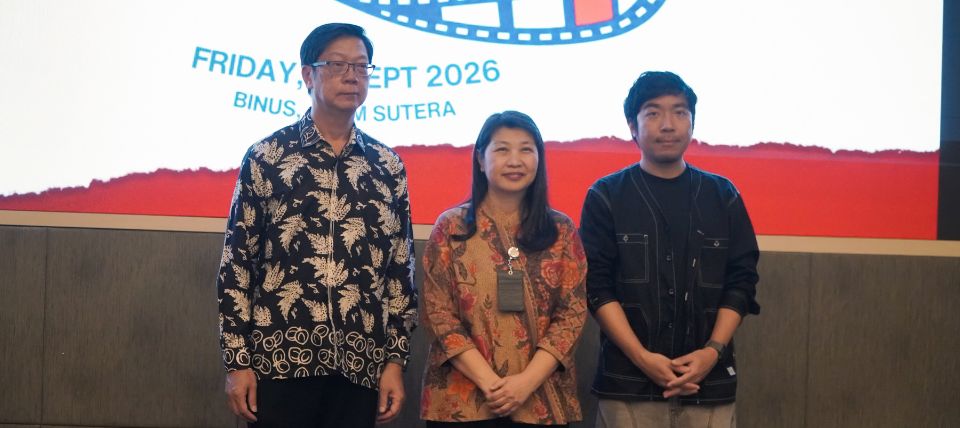
Tangerang, 11 September 2026 – Cultural exchange between Indonesia and Thailand can take many forms, and cinema is one of the most engaging ways to share stories and perspectives from both countries. That exchange took center stage today at BINUS @Alam Sutera – Main Campus with a special lecture of “From Story to Screen: The Art of Storytelling in Thai Cinema.” Featuring award-winning Thai director and screenwriter Mr. Chayanop Boonprakob, known as “Moo,” this special lecture offered a closer look at the art of filmmaking and the creative journey of bringing a story from idea to screen as part of the Thai Film Festival 2026 in collaboration with the Royal Thai Embassy in Jakarta.
(Photo Credit: Mufti Al-Warits/Photo Editor: Andi D. Ahnafandra)
Before the special lecture began, the BINUS community had the opportunity to watch a special screening of Mr. Moo’s latest film, Gohan. The film follows four lonely individuals and a stray dog whose lives become intertwined over the course of a decade, unfolding into a touching story of love, companionship, and human connection.
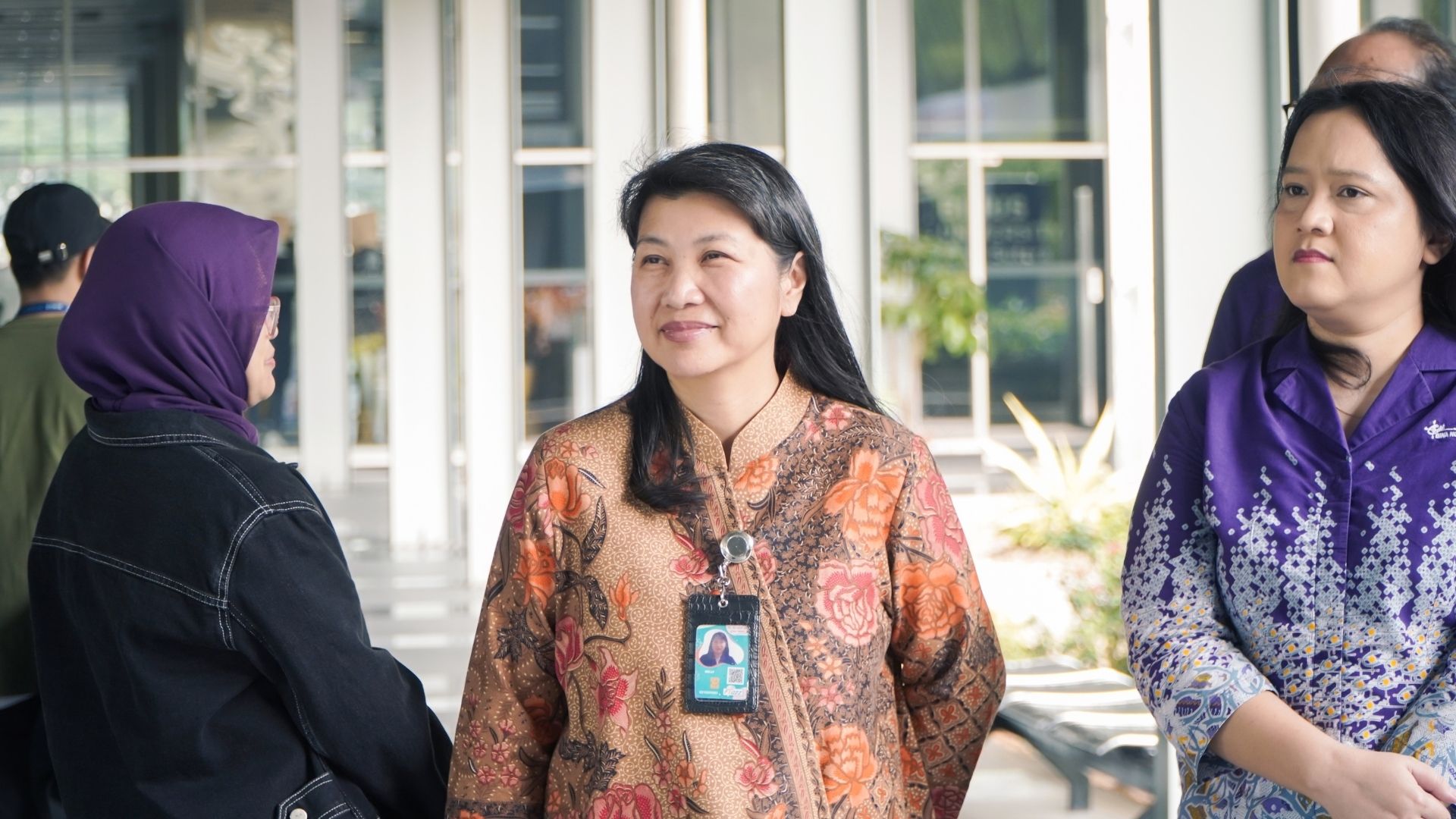
Following the screening, the special lecture officially began with opening remarks from Rector Nelly, who warmly welcomed Mr. Moo and His Excellency Prapan Disyatat, Ambassador of the Kingdom of Thailand to the Republic of Indonesia, to BINUS University.
(Photo Credit: Mufti Al-Warits/Photo Editor: Andi D. Ahnafandra)
“It is an honor for BINUS University to be entrusted as part of this special occasion and to welcome award-winning Thai director and screenwriter Mr. Chayanop Boonprakob to our campus. Through today’s special lecture, we’re creating an opportunity for our community to experience how education, culture, and creativity can strengthen connections between Indonesia and Thailand. This is very much in line with BINUS University’s 45-year journey to co-create an intelligent society, where learning from different cultures and perspectives can inspire us to create a positive impact for the wider community,” stated Rector Nelly.
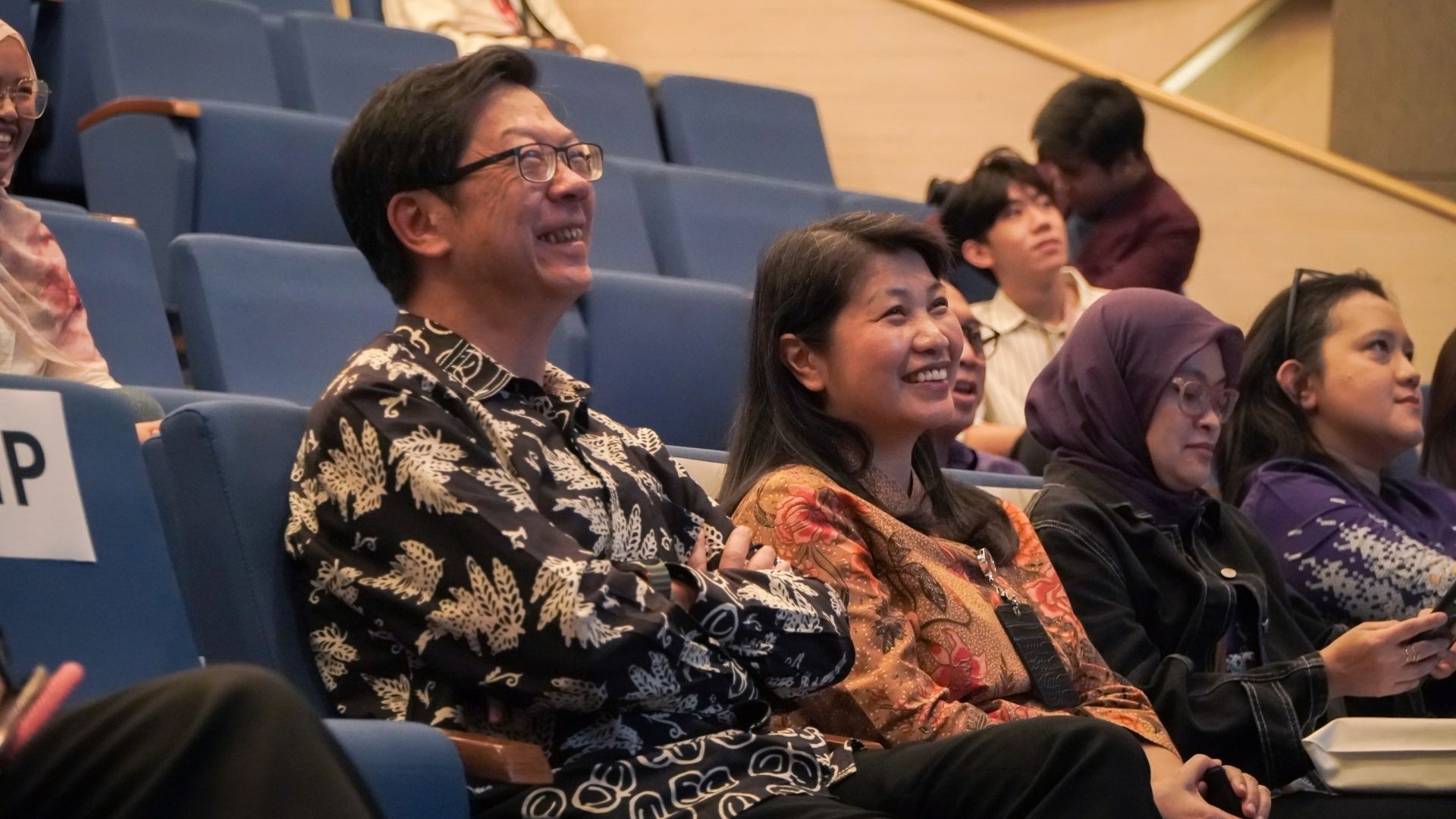
His Excellency Prapan Disyatat also reflected on the role of cinema in strengthening people-to-people connections and emphasizing the opportunity for younger generations to learn directly from those working in the film industry.
(Photo Credit: Mufti Al-Warits/Photo Editor: Andi D. Ahnafandra)
“We are very pleased to be here at BINUS University and to bring something different to Thai Film Festival 2026. This year, we wanted to not only introduce Thai films and culture to Indonesian audiences but also bring someone from the film industry to meet the young generation and share his experience, knowledge, and inspiration. We are very fortunate to have Thai director Chayanop Boonprakob with us today. With Indonesia’s film industry growing rapidly, there is much that Thailand and Indonesia can learn from each other, and we hope this exchange will bring our people closer through cinema,” he added.
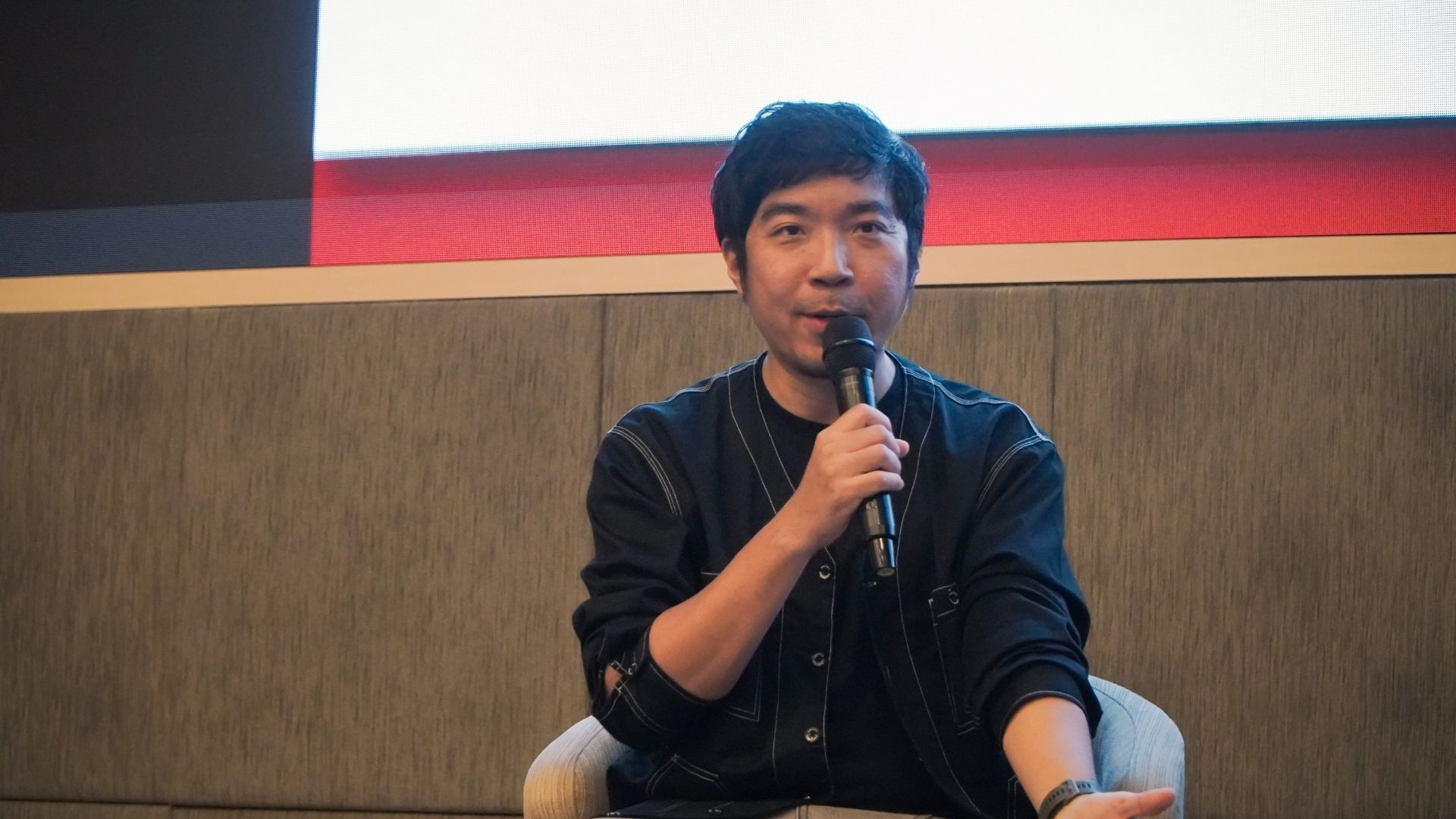
And there was plenty to learn from Mr. Moo’s journey behind the camera. His feature directorial career began with SuckSeed in 2011, a film that introduced his distinctive approach to heartfelt storytelling and currently holds a 7.4/10 rating on IMDb. Over the years, he has continued to write and direct stories that balance humor with emotion, including The Red Envelope in 2025, which went on to win the Audience Choice Award at the 49th Hong Kong International Film Festival.
(Photo Credit: Mufti Al-Warits/Photo Editor: Andi D. Ahnafandra)
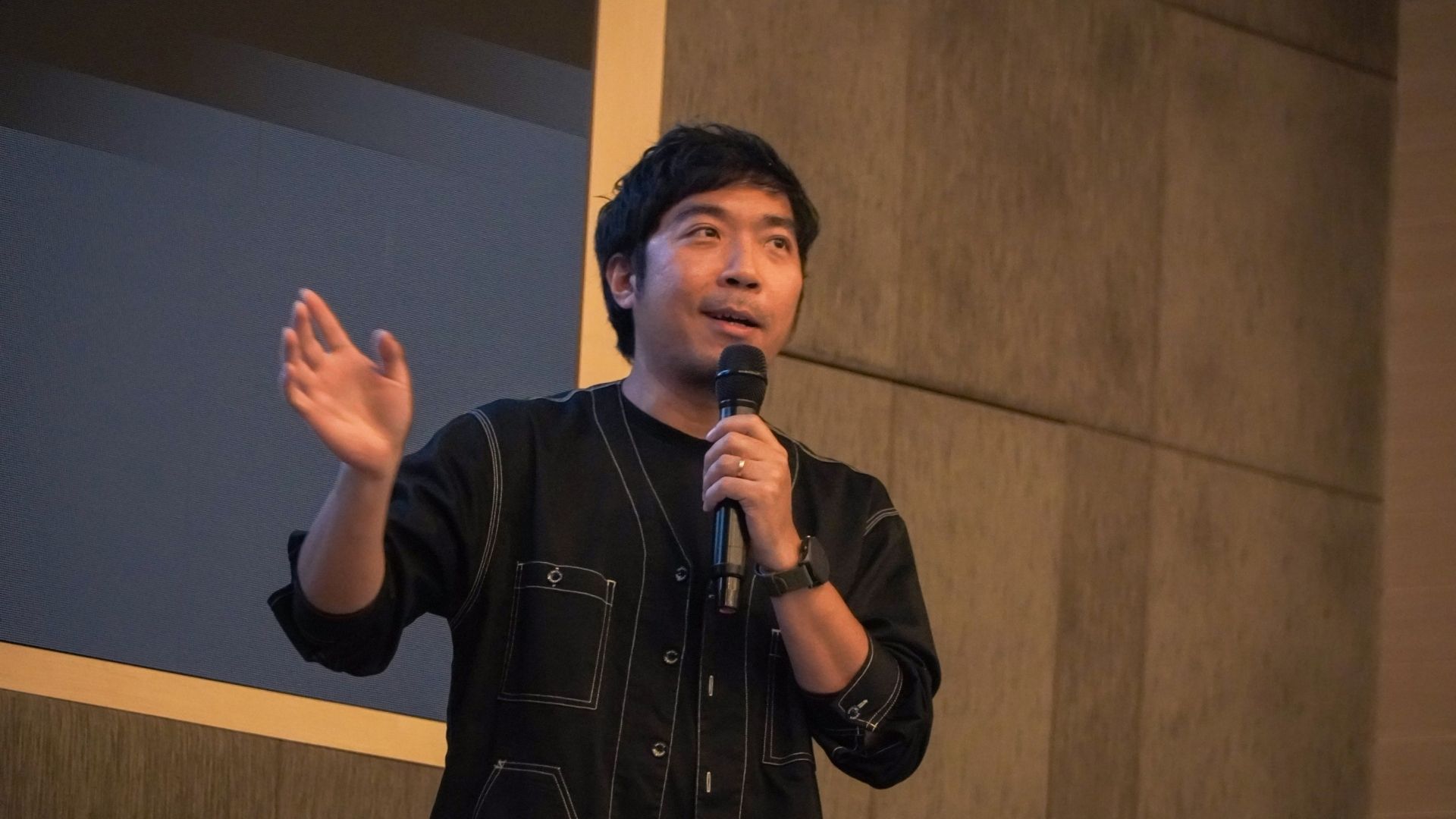
Personal experiences have long shaped Mr. Moo’s storytelling, even the awkward or embarrassing ones. When asked how he became comfortable turning those vulnerable moments into stories, he traced it back to his university years.
“I think my university years somehow shaped the way I see embarrassment. There were very few men in my faculty, so whenever we competed in sports, we had to play almost everything. And we lost all the time! Eventually, losing became funny rather than embarrassing. We would come back, tell everyone the score, and they would burst out laughing. That made me realize that even the bad or embarrassing things that happen to me can become stories that people enjoy,” shared Mr. Moo.
(Photo Credit: Mufti Al-Warits/Photo Editor: Andi D. Ahnafandra)
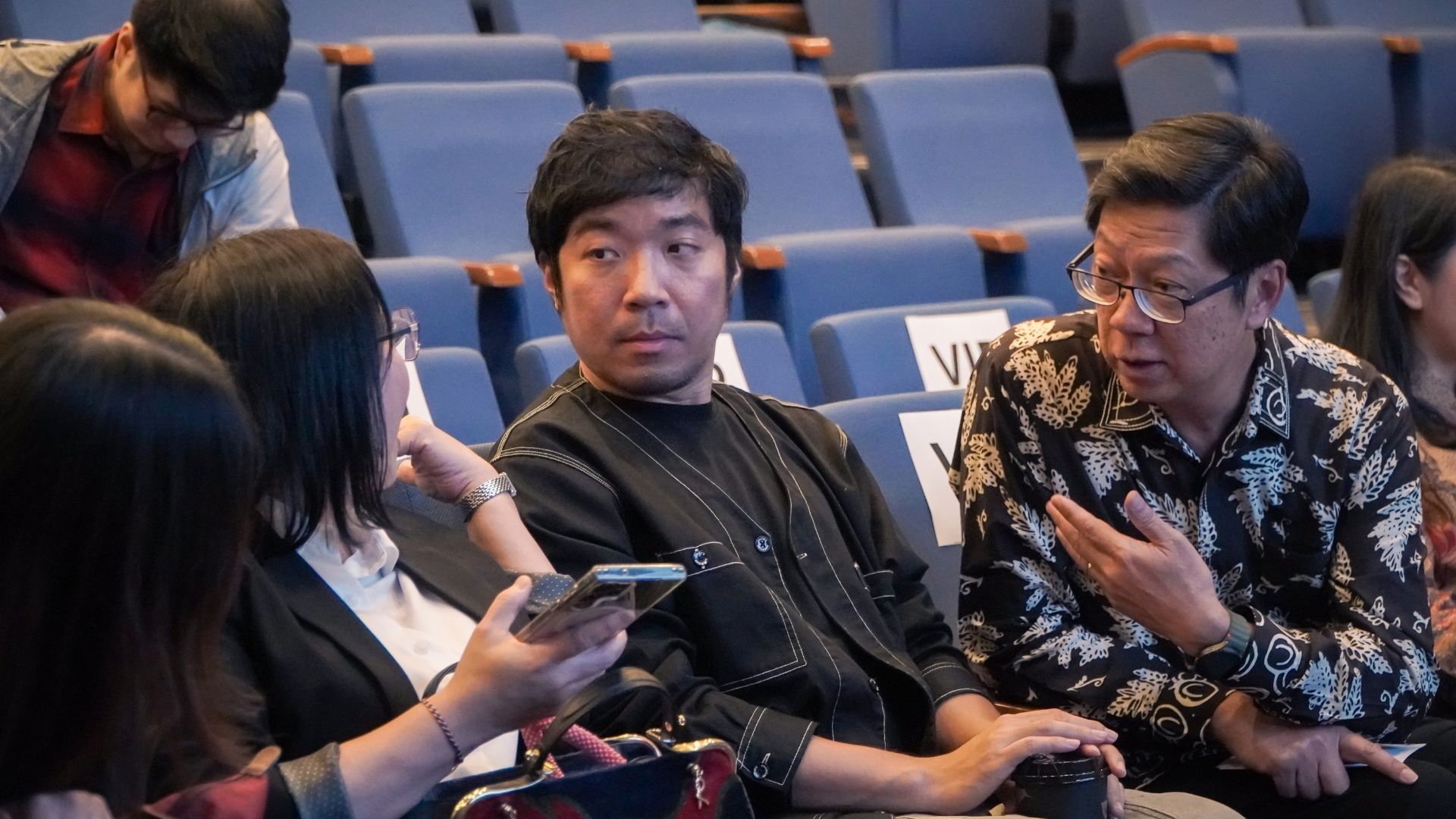
But Gohan challenged him to work the other way around. Instead of starting with his own experience, he first had to find something personal within a story that was not originally his.
“Talking about Gohan, the original idea wasn’t mine. At first, I didn’t have a personal connection to it. Compared with my previous films, which were based on my own experiences, this time I had to start somewhere else. Then I started thinking about my dad, and that became my way into the story. Once I found that connection, I could think about what would make me cry, what would make me feel something, and where the emotion of the story could come from,” said Mr. Moo.
(Photo Credit: Mufti Al-Warits/Photo Editor: Andi D. Ahnafandra)
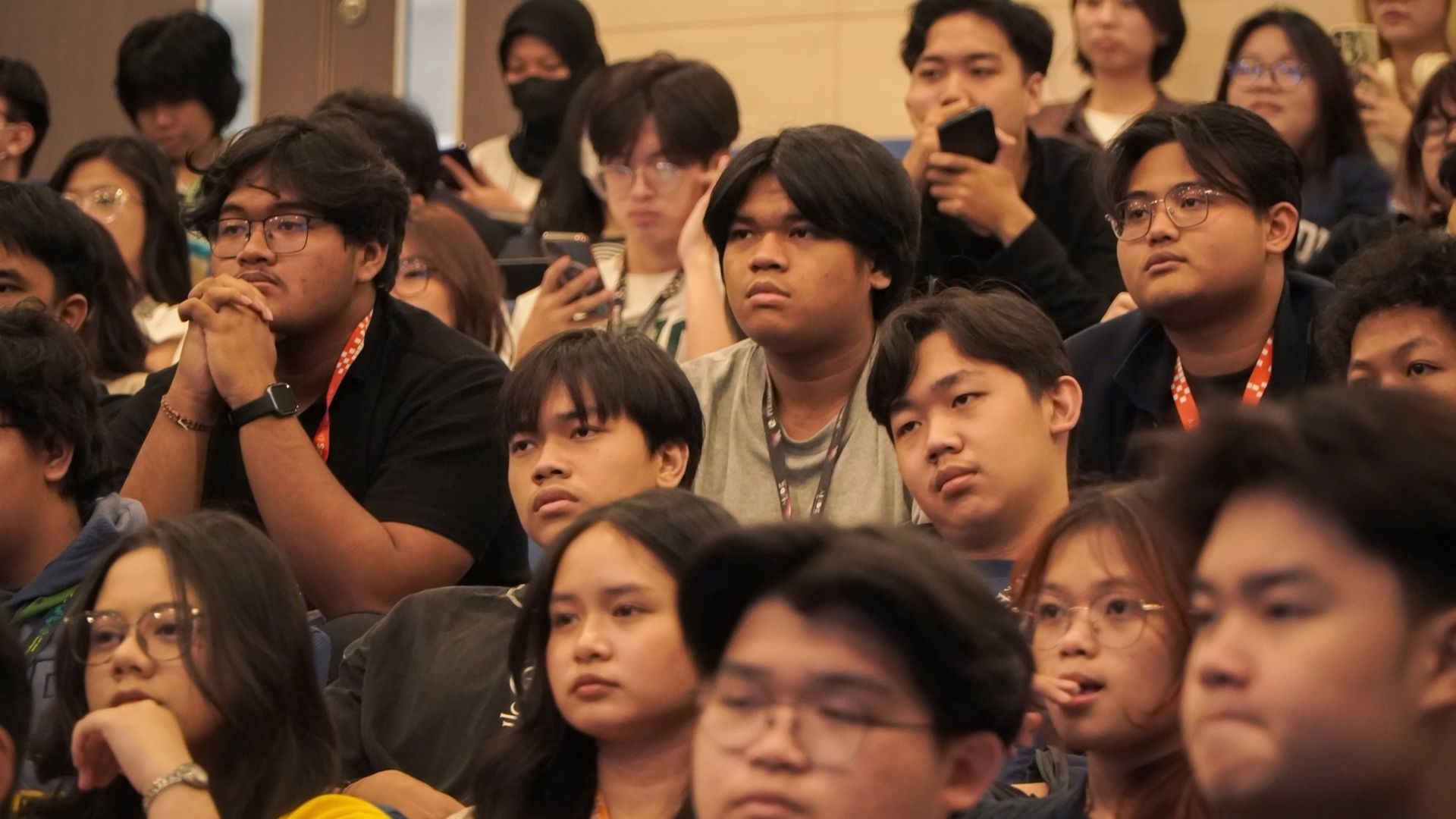
The conversation also drew questions from students curious about the realities of filmmaking, including how a director gets producers on board with a creative vision. For Mr. Moo, the answer is partly persistence: keep discussing, keep exchanging ideas, and eventually find a solution that works for everyone. His close relationship with his producers also makes that process easier, as years of working and spending time together have built a strong sense of trust and understanding between them.
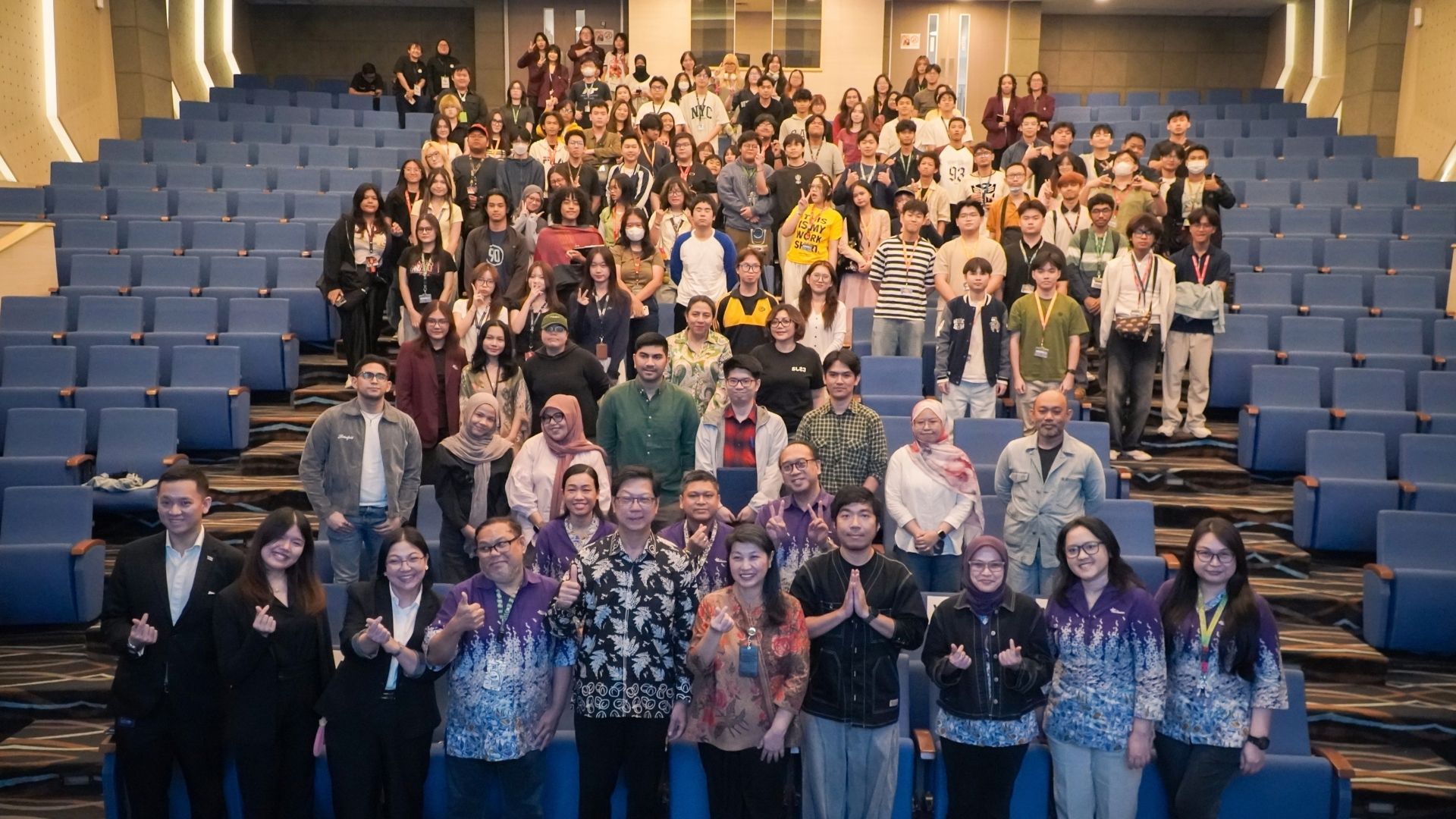
The students’ enthusiasm carried through to the end of the session, especially among those who had long enjoyed Thai films and Mr. Moo’s work. One question brought the conversation back to where every filmmaker eventually needs to begin: how to find a voice and style of their own. For Mr. Moo, there is no single formula to follow. Instead, his own “Thai cinema formula” comes from embracing the experiences, including the failures, that have shaped who he is.
(Photo Credit: Mufti Al-Warits/Photo Editor: Andi D. Ahnafandra)
His openness in sharing the stories, lessons, and experiences behind his films gave the students plenty to take with them as they continue exploring their own paths in filmmaking. And perhaps this is only the beginning of more creative exchanges to come. This time, we welcomed a Thai filmmaker and his stories to BINUS. Maybe one day, we will have the chance to bring our students’ stories to audiences in Thailand.
Author: Mita Adhisti | Editor: Yusuf Rifai